- AJ Izdelki
- Blog
- Nasveti in trendi
- Tips for Designing a Smart Office
Smarter ways to furnish your office
Are there more faces around the office lately, or maybe your team has changed your workflow? Perhaps it's simply time to treat yourselves to some new furniture. Regardless of the reason you have for changing the office interior, it's essential to consider certain things to ensure a smooth workflow and a workspace where employees feel at ease and motivated.
Practical Smart Office Design
Choosing long-lasting office furniture is an investment in sustainability. Flexibility and timeless design are both economical and practical. Consider what equipment will serve you best in the long run.
Look Ahead
Don’t simply update old furniture. Think differently. What do you need today, and what might you need tomorrow? Planning for expansion may require more workstations in the same area. Flexibility is key.
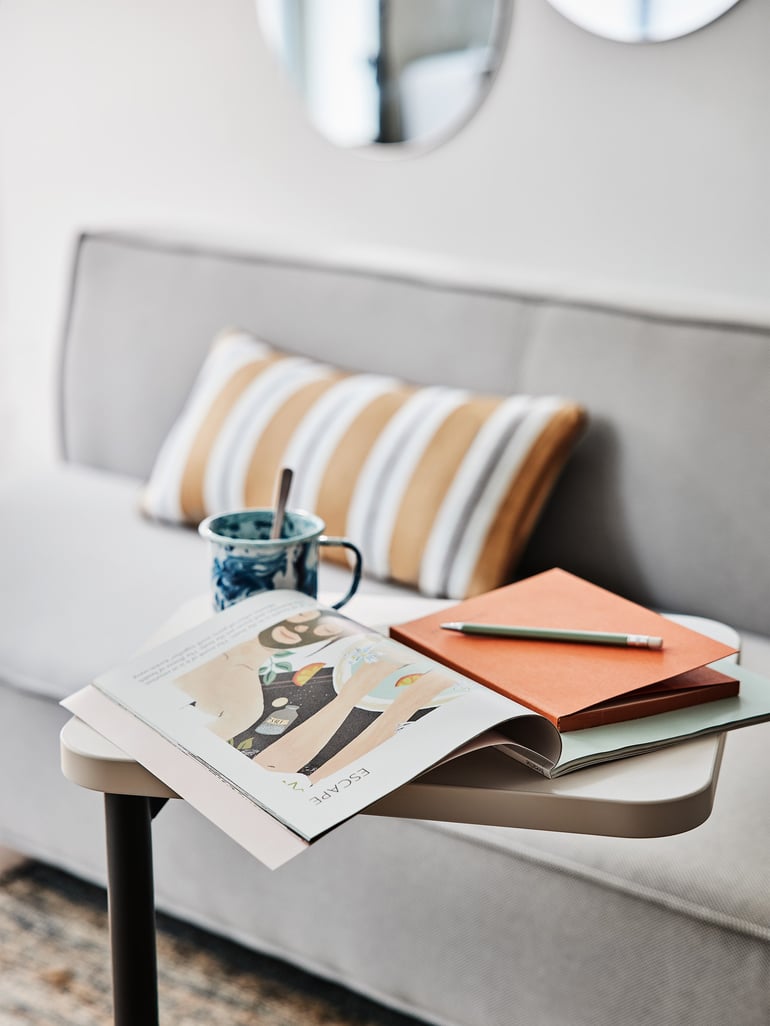
12 Tips for a Smarter Office
- Opt for Smaller Desks: This frees up space for inviting seating areas and additional workstations.
- Utilise the Conference Table: Choose a table based on typical meeting attendance. It can double as a lunch table or extra workspace.
- Consistent Chairs Across Rooms: Using the same chairs in different areas creates a cohesive look and simplifies arrangements for large gatherings.
- Storage as Dividers: Storage units can act as room dividers. With sliding doors, they’re ideal for limited spaces and keep clutter hidden. Combining different heights maintains a unified style.
- Create Informal Meeting Areas: A seating group among desks is perfect for informal meetings and breaks.
- Unified Colour Scheme: Limit to one wood type and a consistent colour palette for a professional look and easy reorganisation.
- Invest in Quality Office Chairs: Never compromise on seating. Ergonomic chairs significantly improve employee health and performance.
- Importance of the Break Room: A well-equipped break room with a fridge, microwave, and quality coffee machine boosts morale. Aim for flexibility and multifunctionality.
- Focus on Light: Natural light is crucial for well-being and reduces lighting costs. Position workstations near windows whenever possible.
- Reduce Noise Levels: Use screens and partitions to manage noise in open-plan offices. They also offer privacy.
- Think Quality and Guarantees: Investing in reputable suppliers with product guarantees may be costlier initially but saves money in the long run.
- Single Supplier for Furniture: Buying all office furniture from one supplier can provide better deals and cohesive design solutions.
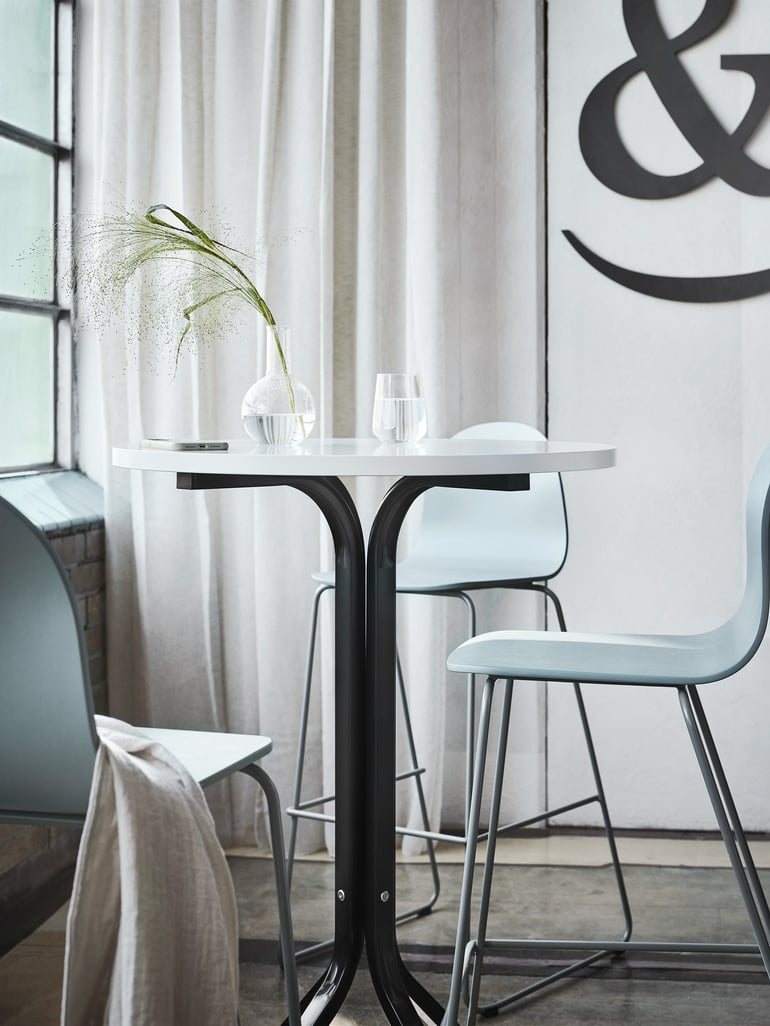
Make the Office Cosy
To avoid a sterile environment, add decorations once everything else is in place. A well-decorated office feels welcoming but maintain professionalism.- Decorative Art: Grouping pictures on the same wall enhances their impact. Aligning larger pieces along the bottom edge often looks best.
- Plants and Soft Lighting: A few green plants and soft lighting in areas like the break corner create a homely atmosphere for relaxation. Well-chosen decorations make a significant impact.
Summary
This guide provides tips on smart office design. By choosing uniform, high-quality furniture, reorganisation becomes simpler as needs change. Timeless pieces ensure long-term usability. Utilise natural light and sound-absorbing elements for a pleasant environment.