- AJ Izdelki
- Blog
- Ergonomija na delovnem mestu
- The dangers of prolonged sitting and how to stay active at work
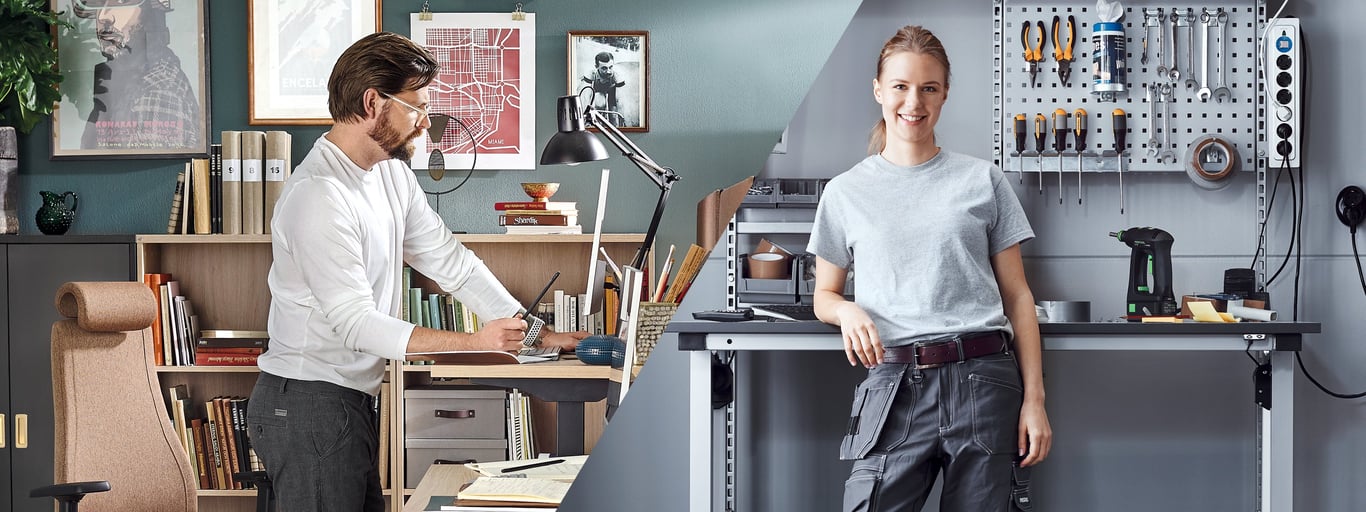
Why prolonged sitting could be harming your health
Spending long hours sitting at a desk - especially without ergonomic adjustments - can have a serious impact on your health. A sedentary lifestyle has been linked to obesity, high blood pressure, type 2 diabetes, cardiovascular disease and even certain types of cancer. Prolonged sitting also affects how well your body circulates oxygen, making it harder to regulate blood sugar and fat levels. To reduce the side effects of bad posture and too much sitting, it’s important to stay active throughout the day. Even small movements during your workday or breaks can help boost your energy, improve your mood, and support your overall wellbeing.
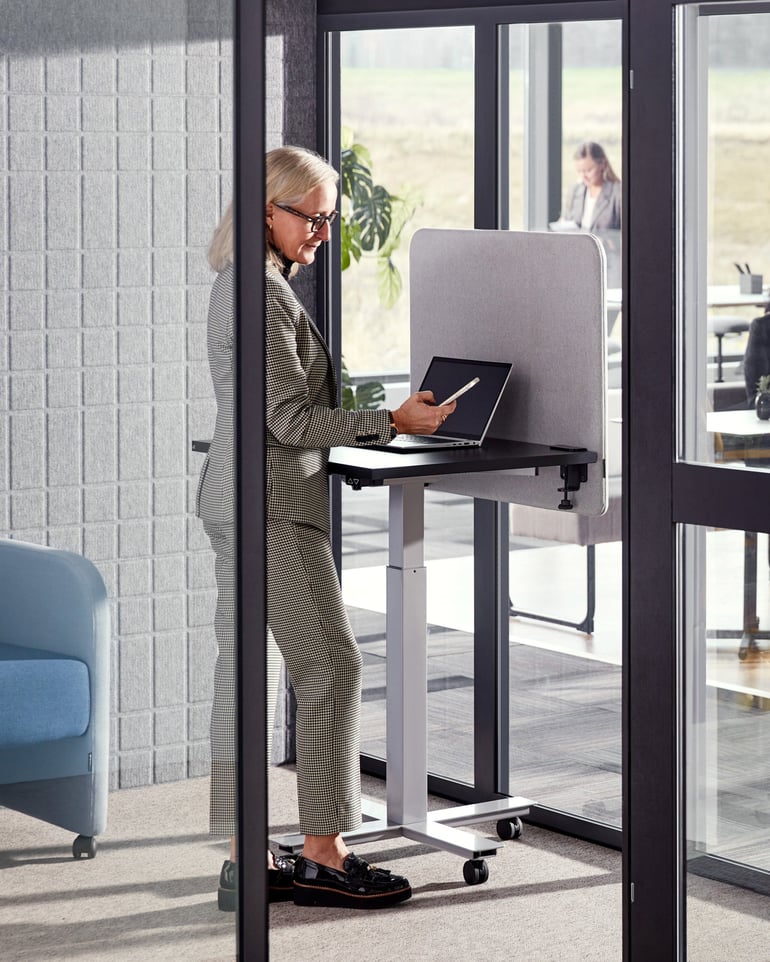
Change up your position
If you’ve been sitting for too long, you’ll likely start to feel your muscles stiffen, a natural response when you stay in one position for extended periods. While it might seem like standing up is the perfect fix, standing for too long can also strain the body. The key is balance. Avoid staying in one posture, whether sitting or standing, for extended stretches. Introduce regular movement into your day by switching between tasks, adjusting your sitting position, drinking plenty of water, and taking short, active breaks. These simple actions can help improve circulation, prevent muscle tension, and keep your energy levels up.
How to reduce prolonged sitting at work
Sitting for long periods can raise the risk of chronic health conditions, especially when your daily routine involves minimal movement. To reduce the effects of sitting too long at work, try introducing small changes throughout your workday:
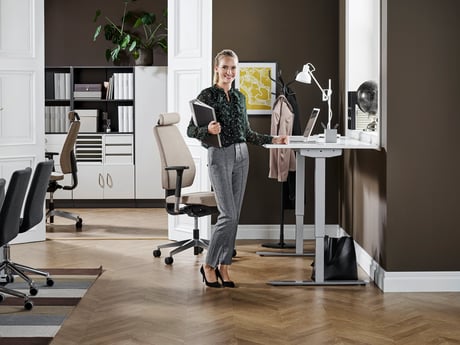
- Use a standing desk or alternate between sitting and standing throughout the day.
- Take the stairs instead of the lift whenever possible.
- Park a bit further away from your workplace and walk the rest.
- Get off the bus or train one stop early to add more steps to your day.
- Suggest walking meetings where possible.
- Use the loo that’s further away to build in more movement.
- Use active seating, such as a balance ball or kneeling chair.
- Set reminders to stand and move every 20–30 minutes.
- Do light stretches or desk exercises during breaks.
- Enjoy your coffee or tea break while standing or walking.
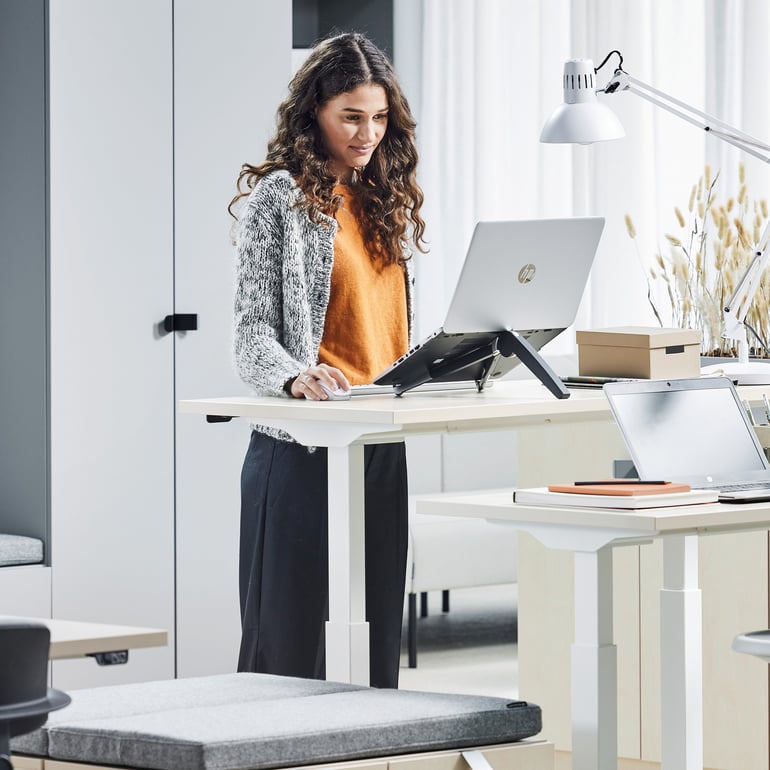
Small changes make a difference
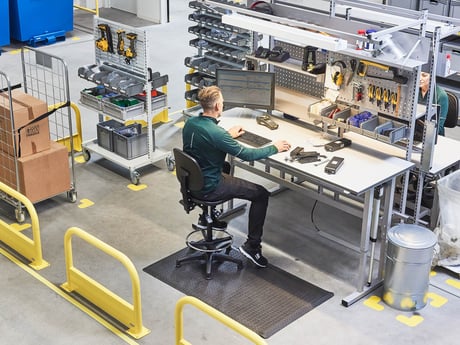
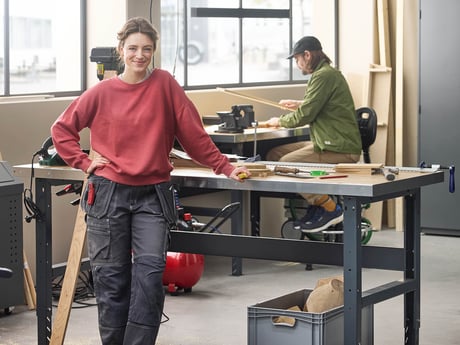
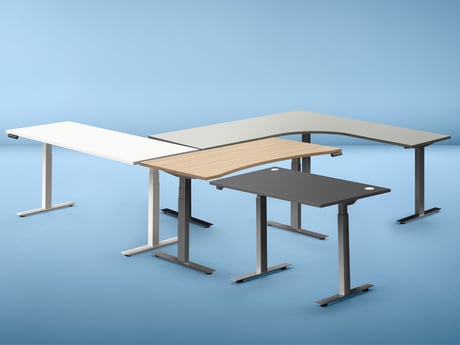
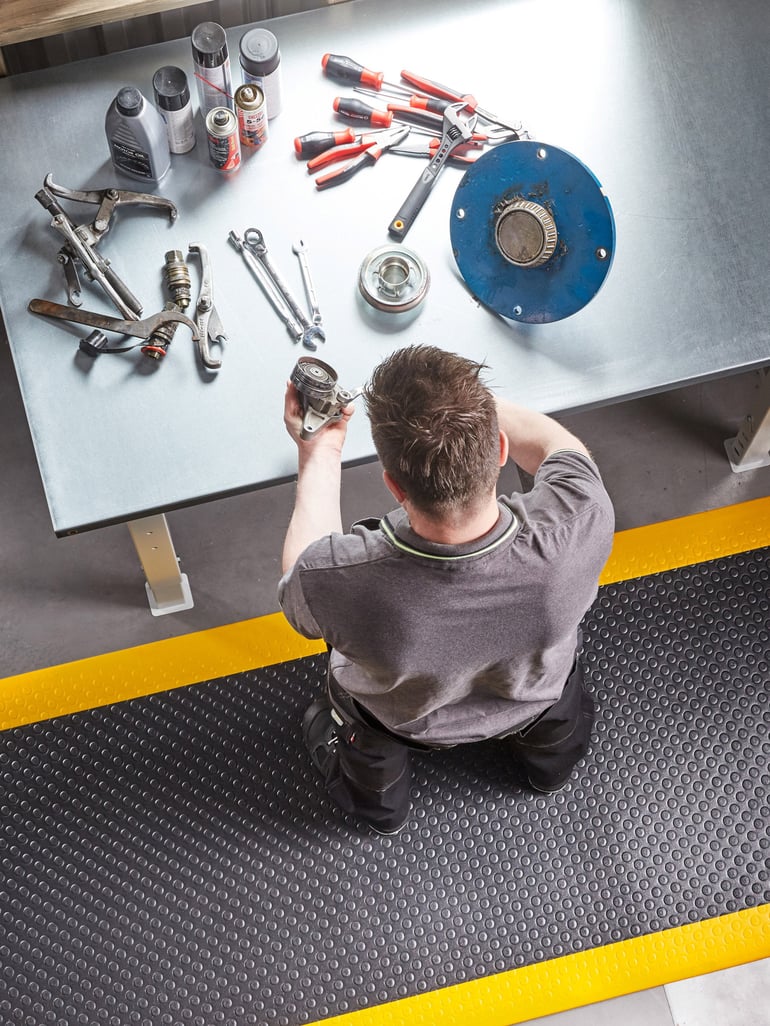
Making small adjustments to your working habits can go a long way in reducing the effects of prolonged sitting. Investing in a sit-stand desk or a height-adjustable workbench, along with an anti-fatigue mat, can encourage more movement during the day. Every bit of physical activity counts — and adapting your workspace is a simple but effective first step towards a healthier way of working.
Would you like to learn some simple exercises?
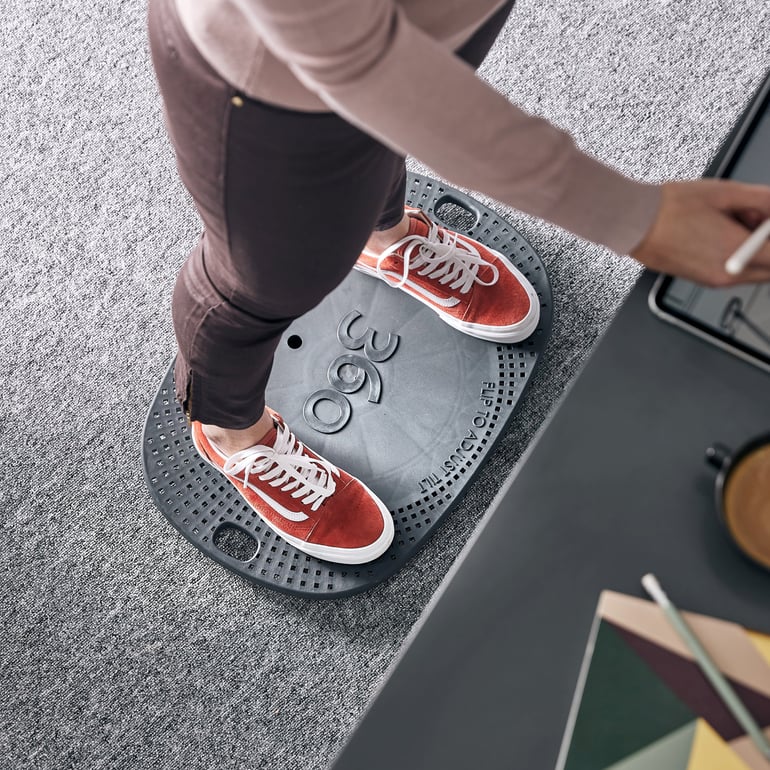
Balance board BACK APP 360
175,00 €
Workplace mat SECURE

Physically demanding work and injury prevention
If your job involves heavy lifting or repetitive physical tasks, staying fit and mobile is essential. Regular exercise can help condition your body for the demands of the role, and warming up before starting work can reduce your risk of injury.
Back injuries are one of the most common issues caused by poor lifting posture. To prevent strain or long-term damage, make sure to stretch your hips, back and shoulders before lifting. Focus on exercises that suit your body and the specific tasks you carry out. Ergonomic adjustments, like using lifting aids or adjusting your technique, can also play a big role in staying safe at work.
Read about how to lift correctly
Movement is medicine for body and mind
A sedentary lifestyle has been linked to a higher risk of premature death, but even modest amounts of daily activity can make a difference. According to Ulf Ekelund, professor at the Norwegian University of Sport Sciences and a leading researcher on physical activity, just 30 minutes of exercise a day can reduce the risk and a full hour may eliminate it entirely.
The most important message? Doing something is always better than doing nothing.
Physical activity also has a powerful impact on your mental wellbeing. Movement boosts levels of serotonin, noradrenaline and dopamine which are natural chemicals that help reduce stress and combat symptoms of anxiety and depression. Regular exercise can improve brain function, memory, and overall mood, helping you feel more focused, resilient, and energised throughout the day.