- AJ Izdelki
- Blog
- Ergonomija na delovnem mestu
- How to lift correctly and avoid straining your body
How to lift correctly and avoid straining your body
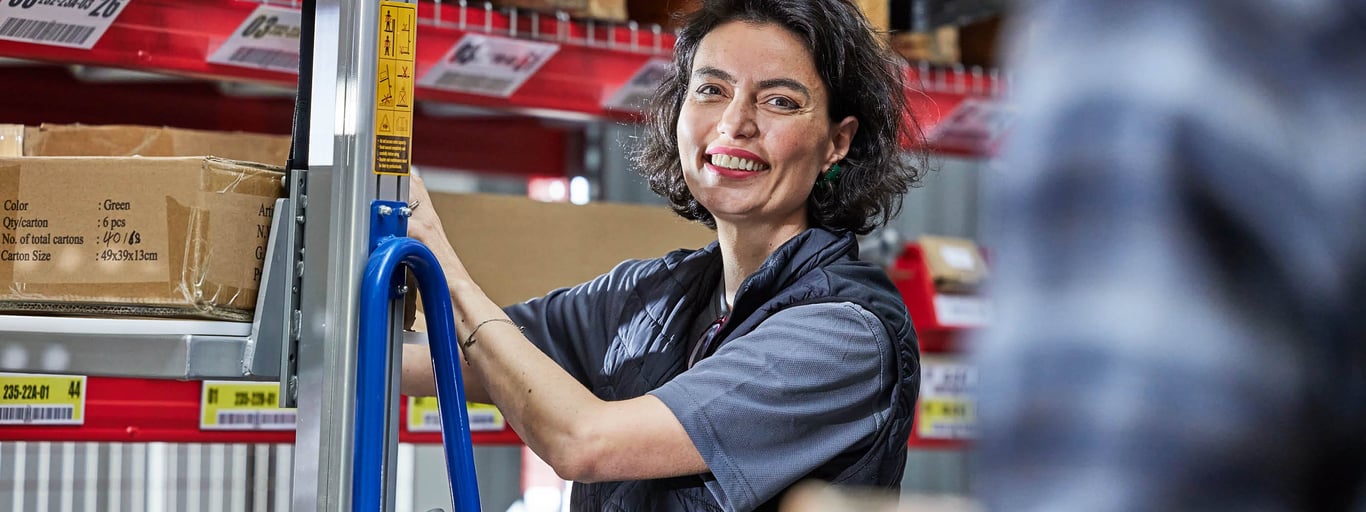
Ergonomist’s top tips for heavy lifting
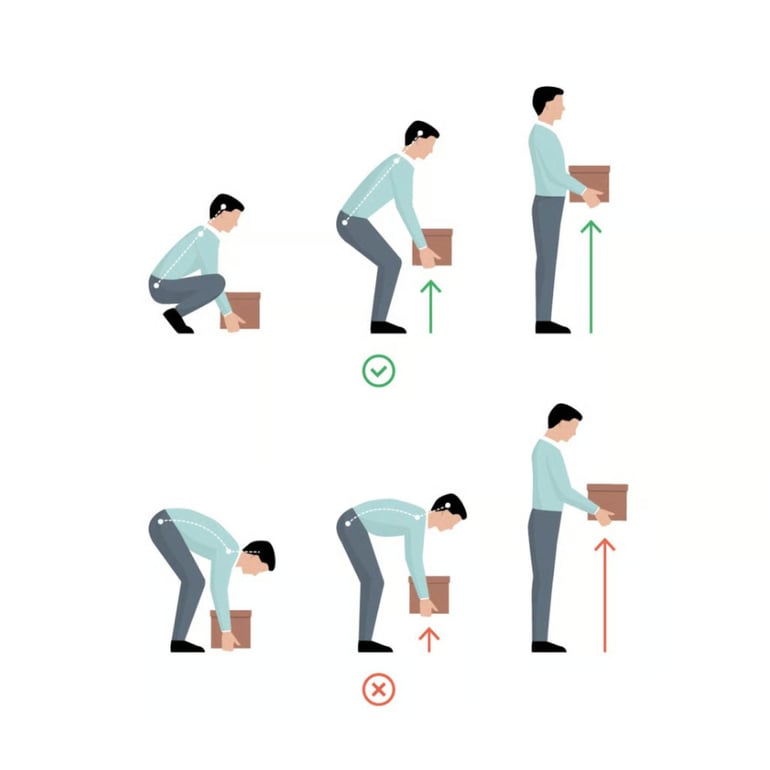
What is the correct way to lift?
-
Stand with your feet shoulder width apart and position yourself so the load close is to your body.
-
Squat slightly with your knees bent and your back straight to avoid stooping. Slight bending of your back, hips and knees at the start of the lift is preferable to either fully flexing your back (stooping) or fully flexing your hips and knees (deep squatting). Remember to lift with your legs not your back.
-
Lift the object straight up, keep your arms as close to your body as possible and avoid turning or twisting your body while lifting. Keep the load close to your waist as much as possible while lifting. Turn by moving your feet.
-
When setting the object down, it's just as important to use the same technique by keeping your back straight and beding your legs.
-
If you are lifting with a partner, make sure that you lift and put the load down at the same time. Remember that communication is key.
Discover our blogs about ergonomics in the workplace
What counts as heavy lifting?
What needs to be considered when lifting heavy objects?
Create the correct conditions for lifting
Plan before lifting
Assess the weight of the load; if the weight is not clearly marked, test it by moving one corner. If in doubt about the weight, do not lift the goods: use a lifting aid or get help from another worker.
Make room for lifting
Optimise your work environment
A well-planned workplace layout also makes a big difference. Reducing the distance that loads need to be carried, keeping walkways clear, and avoiding steps or uneven surfaces all help lower the risk of strain. Where possible, divide heavy goods into smaller packages and make sure packaging allows for a secure grip.
Relieve your back with counter movements
If you have a job with a lot of lifting, counter movements are a good way to prevent injuries. These are relieving exercises, which help to keep the back healthy.
If you have tasks where you're constantly bending forward, make it a habit to put your hands behind your back and bend backwards at least once an hour. A tip that even those who sit leaning forward over a desk all day can benefit from.
Four simple tips for sustainable lifting
-
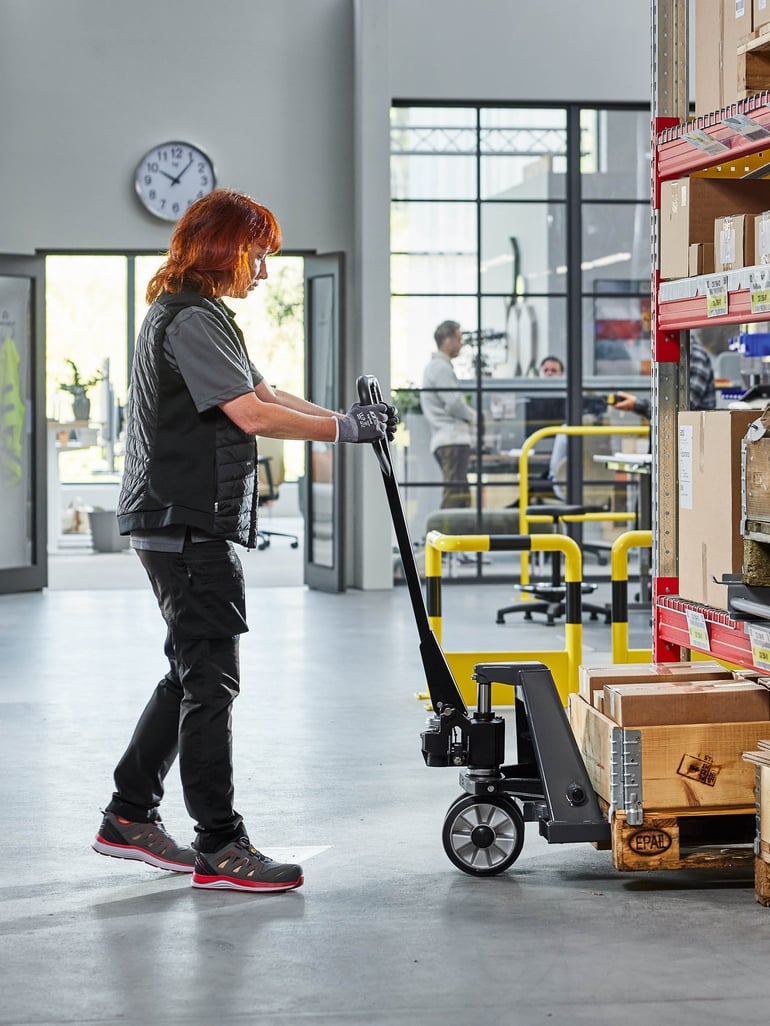
Push, pull or roll instead of carrying. A simple but very effective way to avoid wear and tear damage. Regardless of whether you are moving folders in the office or heavy equipment in industry, it is good to use a transport trolley. Even light lifting that is repeated often can affect the body negatively.
-
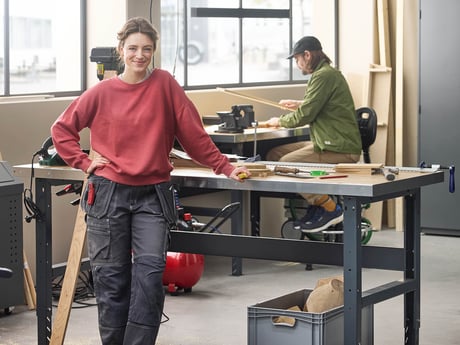
Keep the most important things close at hand. Avoid bending down or reaching for things unnecessarily. In the workshop, it is perfect to have tool boards above the workbench. In the office, it is good to store the things you use most on the desk or at working height in cupboards or shelves.
-
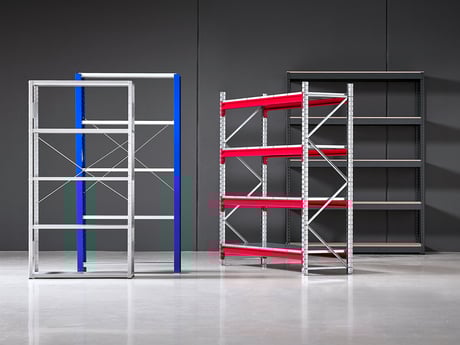
Do not place heavy objects high up or far down. Don't place heavy objects on the floor. The things that weigh the most or that you use most often should be stored at stomach height. Preferably store nothing below knee height or above shoulder height.
-
Lift heavy objects close to the body. Bend your knees and keep your back straight, this way the load is on the legs instead of the back.
Training
Equally important is ensuring that everyone who handles loads knows how to lift safely. Employees should receive practical guidance on correct techniques tailored to the specific tasks and environment they work in. New staff can benefit from hands-on demonstrations, while experienced employees may need refresher sessions to reinforce good habits. Training should also cover recognising risk factors, understanding the limits of safe lifting, and knowing how to use lifting aids effectively. By investing in proper instruction, workplaces can reduce the likelihood of injuries and help staff feel more confident when lifting.
Manual handling equipment
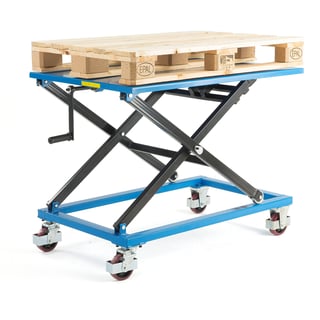
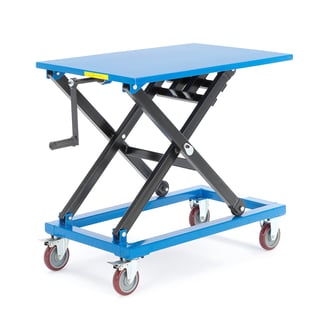
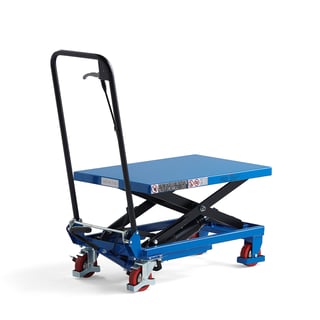
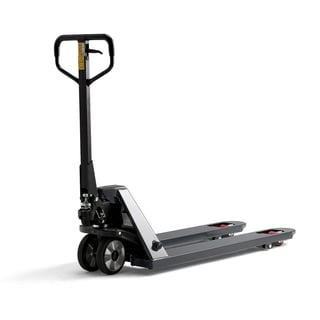
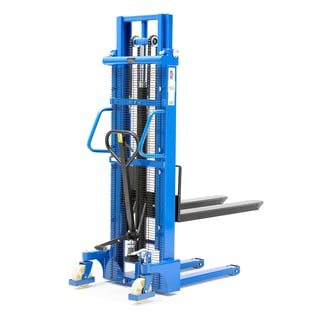
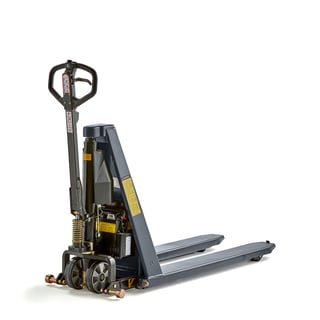
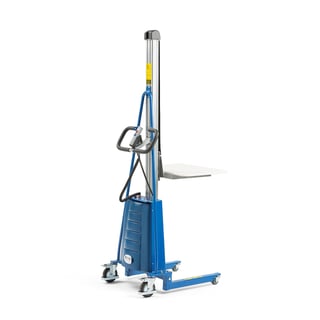
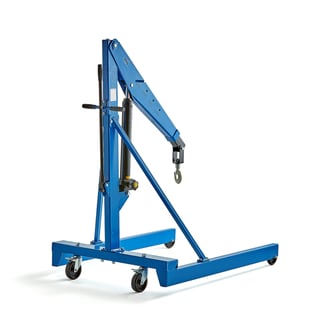
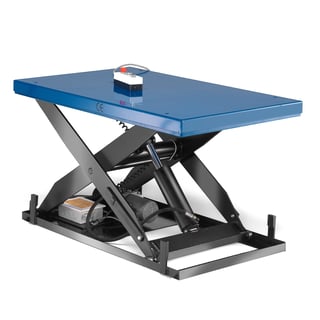
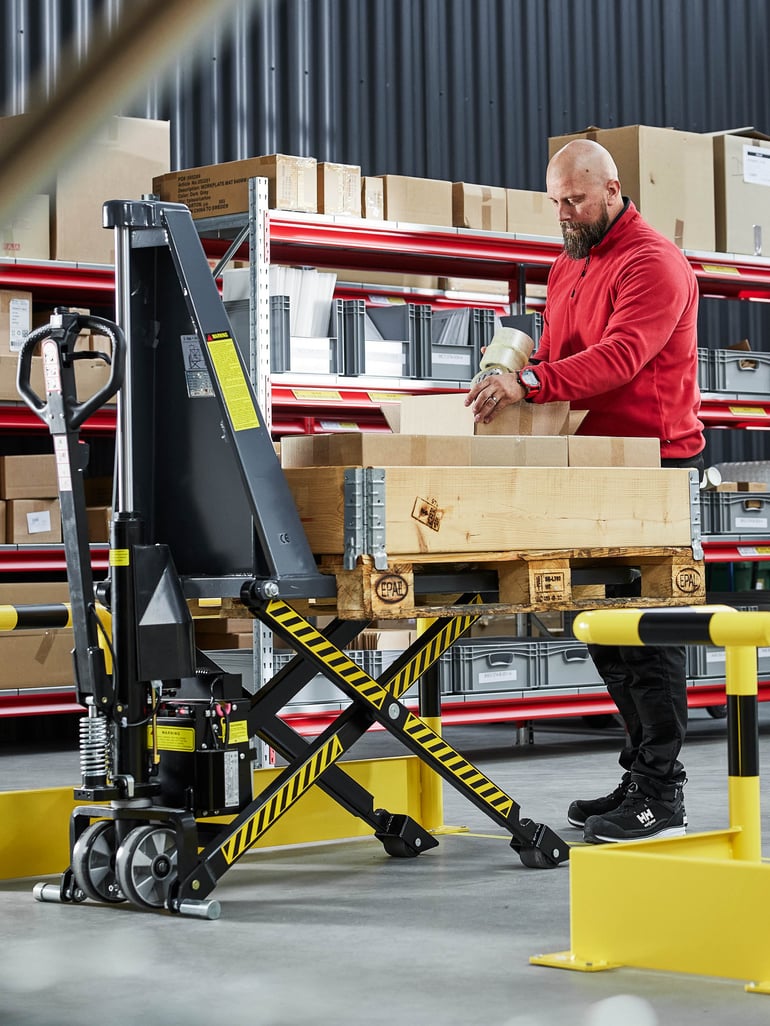
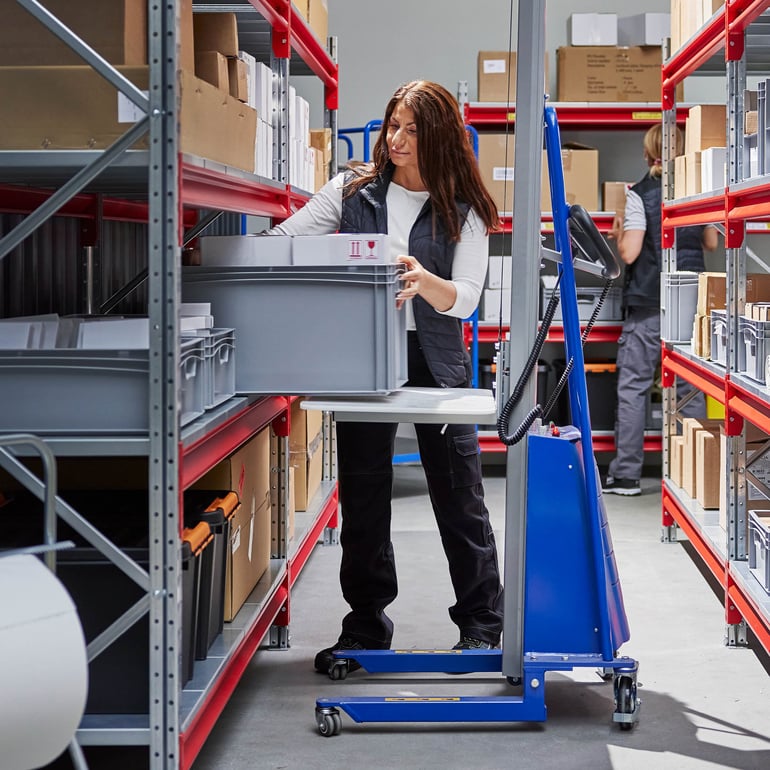
To further reduce the strain on workers, consider introducing material handling and mechanical lifting equipment. Depending on the tasks, this might range from sack trucks and box dollies to pallet trucks, work positioners and lift tables. It’s not just the weight of the goods that creates risk but also the frequency of lifting and the positions involved, which is why lighter-duty aids such as trolleys and dollies can be just as valuable as forklifts and pallet positioners. Whatever the solution, staff should always be trained to use lifting equipment correctly to ensure maximum safety and benefit.