- AJ Izdelki
- Blog
- Ergonomija na delovnem mestu
- SEN Classroom Design: Tips for a Sensory-Friendly Space
Interior Design Tips for a SEN-Adapted Classroom
- Learning difficulties: Such as dyslexia, dyscalculia, or developmental delays.
- Communication and interaction difficulties: Including autism spectrum disorder (ASD) and speech and language impairments.
- Social, emotional, and mental health difficulties: Such as attention deficit hyperactivity disorder (ADHD), anxiety disorders, or conduct disorders.
- Sensory or physical impairments: Such as hearing or visual impairments, physical disabilities, or medical conditions requiring specific accommodations.
Identifying and addressing SEN is essential to ensure that all children have equal access to education and opportunities to reach their full potential. Schools in the UK are legally required to identify and provide support for children with SEN under the Special Educational Needs and Disability (SEND) Code of Practice.
In the educational journey, children encounter diverse challenges, some of which can be particularly demanding for those with conditions like ADHD, autism, dyslexia, and others. The pressure for these students to conform to conventional classroom settings often exacerbates stress and impairs their ability to learn effectively. However, by tailoring the learning environment to accommodate students with SEN, we can foster a more inclusive and supportive educational experience for all.
The Benefits of a SEN-Adapted Classroom
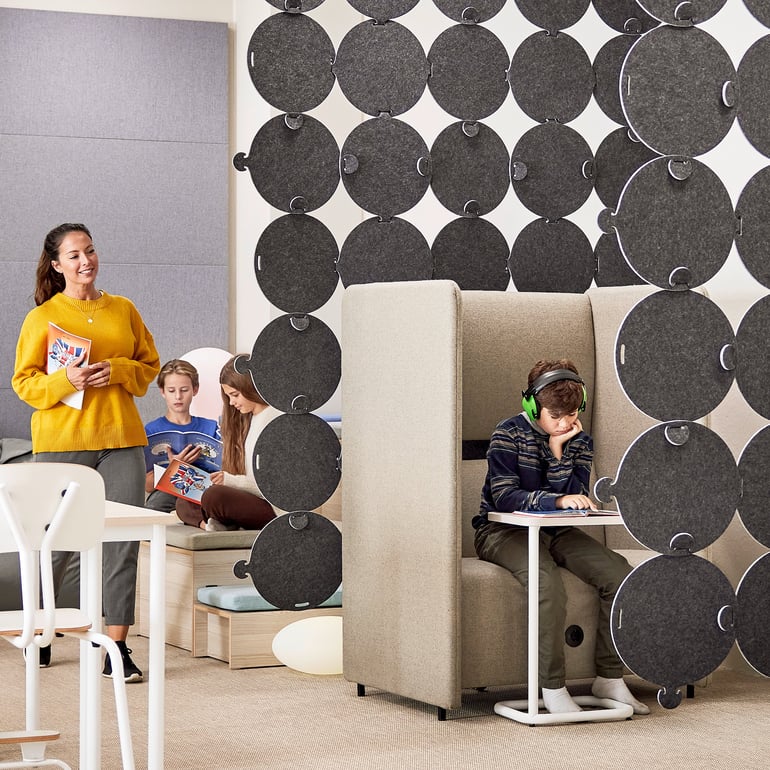
A classroom designed to meet the needs of students with SEN benefits everyone involved. Clarity, structure, and flexibility, which are essential for many students with conditions like ADHD and autism, also enhance the learning experience for all students and educators.
Below are some practical interior design tips to help create a SEN-friendly classroom environment.
1. Create Distinct Learning Zones
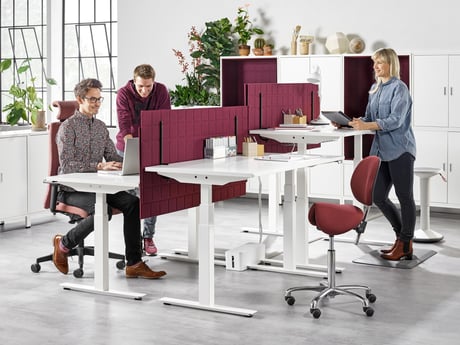
A SEN-adapted classroom should offer spaces for various learning activities. Dividing the space into smaller zones, such as areas for individual work, group activities, and whole-class instruction, allows for greater flexibility and accommodates diverse learning preferences. For example, while whole-class instruction is best conducted with students facing the board, providing secluded spaces for individual work minimises distractions and supports focused learning.
2. Provide a Variety of Seating Options
Offering a range of seating options caters to individual comfort and concentration levels. Some students may benefit from alternative seating arrangements such as balance balls or standing desks, which promote movement and engagement. Additionally, creating collaborative work areas with group tables encourages teamwork and social interaction among students.
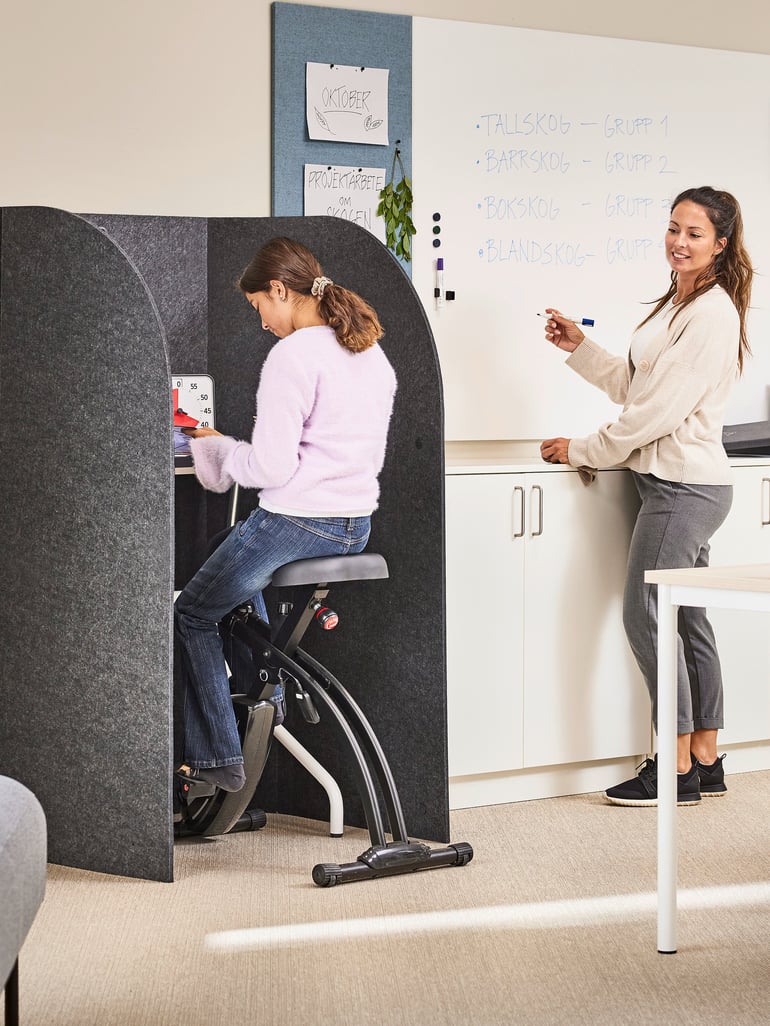
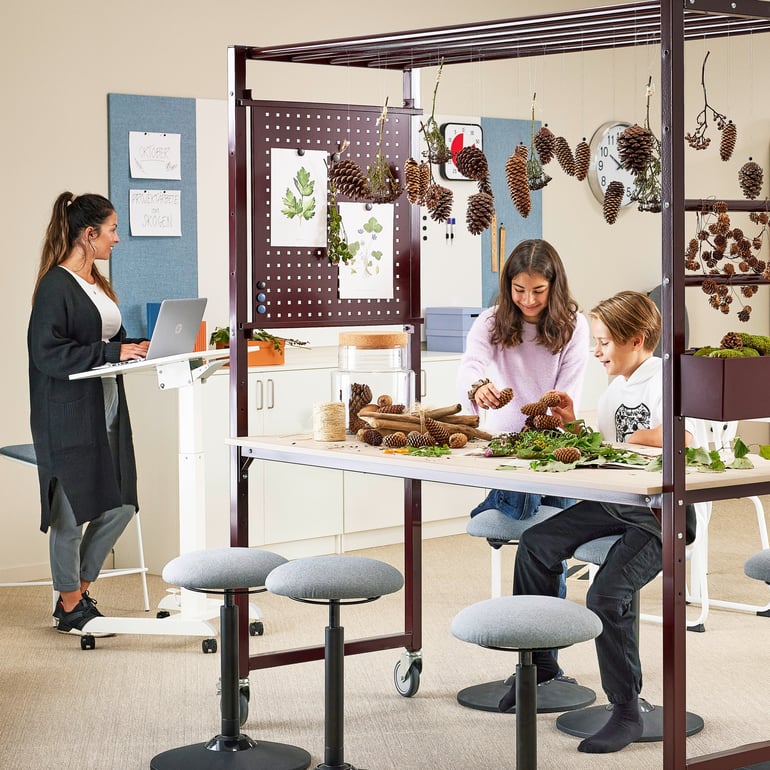
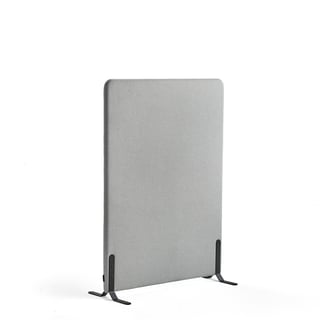
To create a calming and comfortable atmosphere, consider sensory-friendly design elements such as soft seating areas, noise-absorbing materials (check out noise absorbers!) and adjustable lighting. These features not only reduce sensory overload but also contribute to a more relaxed learning environment conducive to concentration and focus.
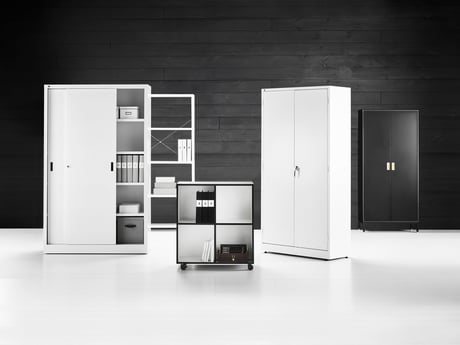
Maintaining a tidy and organised classroom environment is essential for students with SEN. Clearly labelled storage solutions and designated seating arrangements help reduce clutter and visual distractions, promoting a sense of order and calmness. Additionally, minimising noise and controlling light levels can further enhance the learning experience for all students.
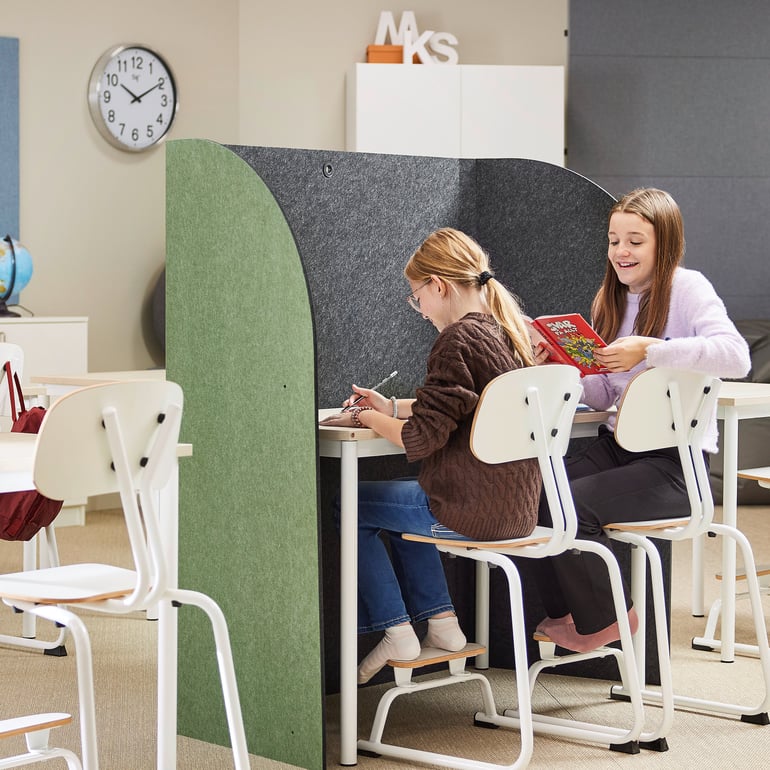
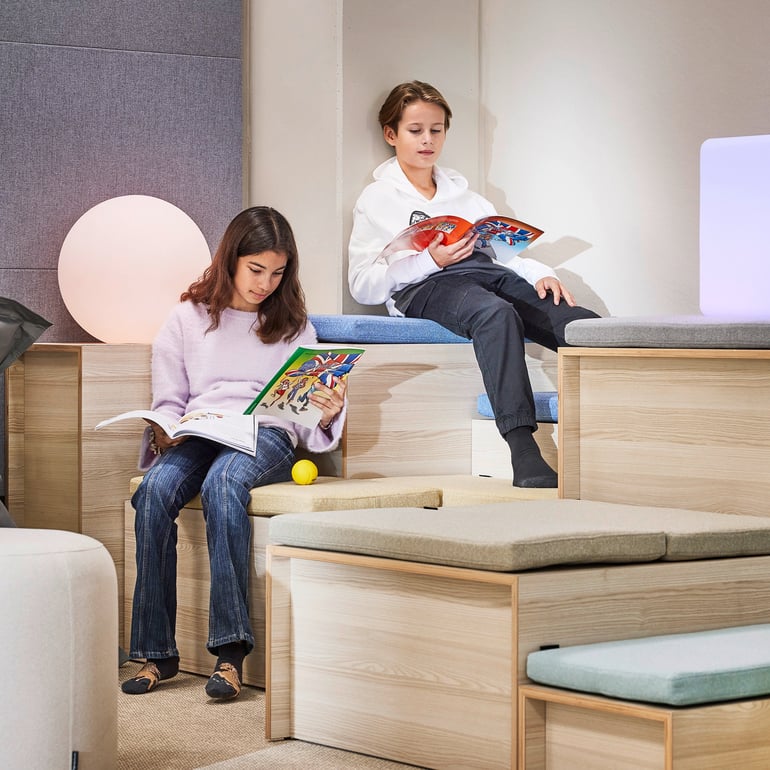
Promote collaboration and inclusivity by creating spaces where students feel valued and supported. (See practical tips below for more ideas) Group work areas, reading corners, and communal gathering spaces provide opportunities for social interaction and shared learning experiences. By fostering a sense of belonging and community, students are more likely to engage actively in their learning journey.
Offering clear instructions and guidance is essential for students with SEN to navigate classroom activities effectively. Use visual aids, schedules, and timers to help students understand expectations and manage their time. Additionally, provide individualized support and encouragement to ensure that all students feel empowered to succeed.
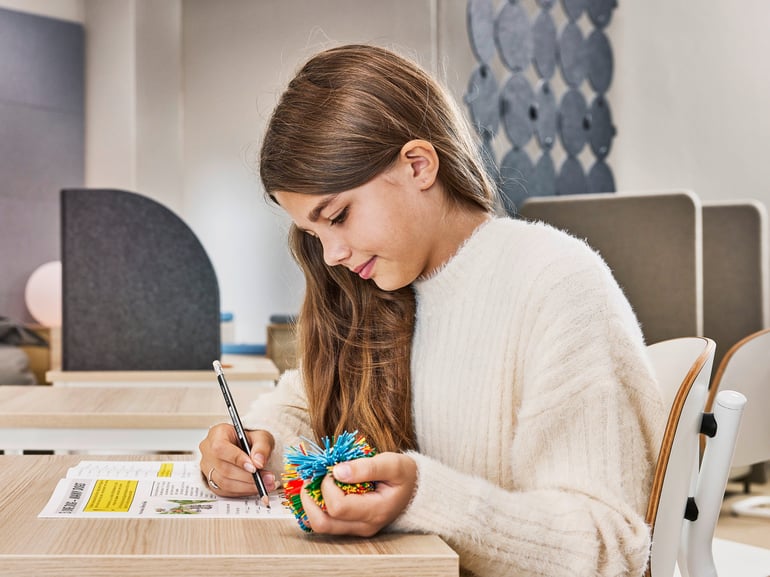
An inclusive environment, right from the start
To better support neurodiverse students, schools should consider adjustments right from the design phase. The layout significantly impacts behavior. For instance, long, uninterrupted corridors may inadvertently encourage running, posing safety risks and disrupting the learning environment. Similarly, large, open dining areas with poor acoustics can amplify noise levels, potentially overwhelming students with sensory sensitivities.
By strategically redesigning the environment, schools can positively influence behavior and academic outcomes. Implementing solutions such as designated pathways, sensory-friendly zones, and sound-absorbing materials can create a more structured and comfortable atmosphere, ultimately enhancing the educational experience for neurodiverse students.
Practical tips
Set up sensory stations within the classroom where students can engage in sensory activities to regulate their senses and improve focus. Include items such as stress balls, sensory bins filled with textured materials, and calming sensory bottles. Encourage students to use these stations as needed to enhance their learning experience.
Flexible Seating Options:
Offer a variety of flexible seating options to accommodate the individual needs and preferences of students with SEN. Consider incorporating bean bags, floor cushions, wobble stools, or rocking chairs to provide alternative seating choices that promote comfort and engagement during lessons.
Communication Aids:
Provide communication aids and visual supports to facilitate communication and understanding for students with communication difficulties. Use visual schedules, picture cards, and communication boards to reinforce verbal instructions and help students navigate daily routines and activities with greater independence.
Calm Down Corner:
Create a designated calm down corner or quiet area where students can go to regulate their emotions and de-escalate when feeling overwhelmed or anxious. Equip this space with soft cushions, weighted blankets, noise-cancelling headphones, and calming sensory tools to promote relaxation and self-regulation.
Establish peer support networks within the classroom by pairing students with SEN with supportive peer buddies or mentors. Encourage peer interactions, collaboration, and mutual assistance to foster social connections, empathy, and a sense of belonging among all students.
Interactive Learning Materials:
Utilise interactive learning materials and multi-sensory resources to engage students with SEN in hands-on learning experiences. Incorporate tactile materials, manipulatives, and interactive technology tools to cater to different learning styles and facilitate active participation and comprehension.
Individualised Learning Plans (ILPs):
Develop individualised learning plans (ILPs) in collaboration with students, parents, and support staff to identify specific learning goals, accommodations, and strategies for students with SEN. Regularly review and adjust ILPs based on student progress and evolving needs to ensure personalised support and success.
Conclusion
Creating a SEN-adapted classroom environment benefits not only students with special educational needs but also enhances the overall learning experience for all students. By implementing practical design strategies and fostering a supportive and inclusive atmosphere, educators can create an environment where every student can thrive and reach their full potential.
We can help!
If you need inspiration or support in designing a SEN-friendly classroom environment, our team of educational interior experts is here to help. Contact us today to discuss your project requirements and explore our range of tailored solutions. Together, we can create an inclusive and supportive learning environment for all students.
Call us on 01252 359760
Contact Us