- AJ Izdelki
- Blog
- Ergonomija na delovnem mestu
- Tips to Boost Efficiency with an Ergonomic Packing Station
Tips to boost efficiency with an ergonomic packing station
Streamlining your packing process with an ergonomic packing station can significantly enhance efficiency and comfort. A well-designed and adaptable packing station not only boosts productivity but also makes work more enjoyable. By selecting the ideal work table, paired with the right matting, chair, and storage accessories, you'll set yourself up for success. In this article, we'll share tips and insights on what to consider when creating your ideal workstation.
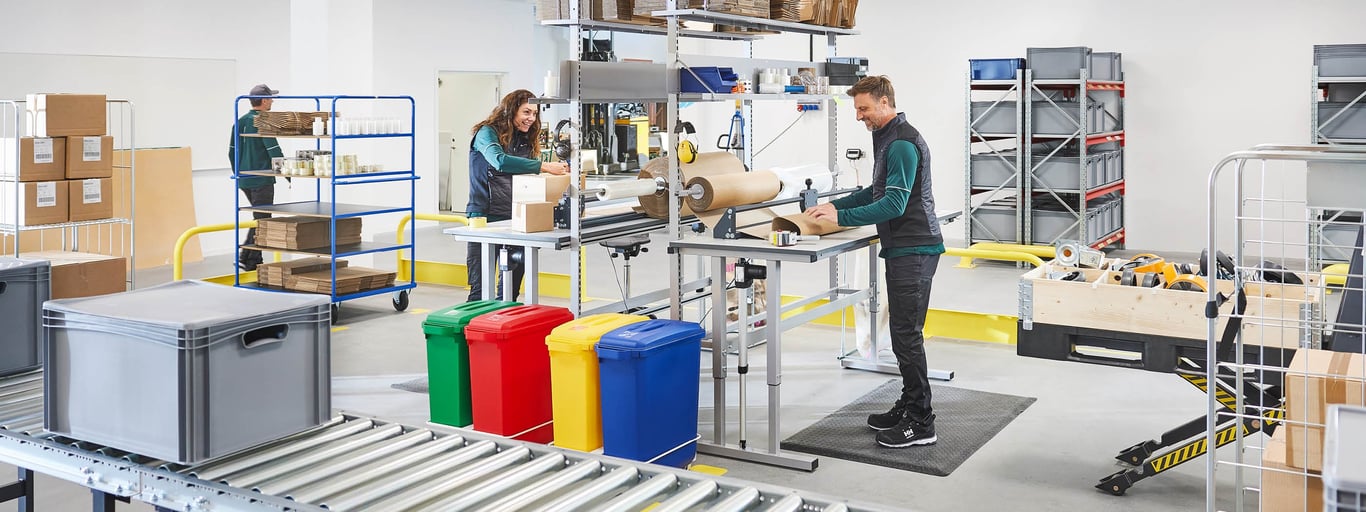
The importance of an ergonomic packing station
Manual packing is a skilled task that requires the right working conditions. Careful planning of a packing station can decrease the risks of work-related injuries, leading to a smoother workflow. Poor posture, stooping, and uncomfortable twisting are common during product packaging, which over time can cause chronic and painful problems over time.
Research shows that companies which implement ergonomic adjustments early, for example with height-adjustable packing tables, can halve the number of sick days (Shiri et al., 2011; Punnett & Wegman, 2004). With the right solutions, packing work becomes not only healthier for employees but also more efficient for the business.

Choose a packing table according to needs
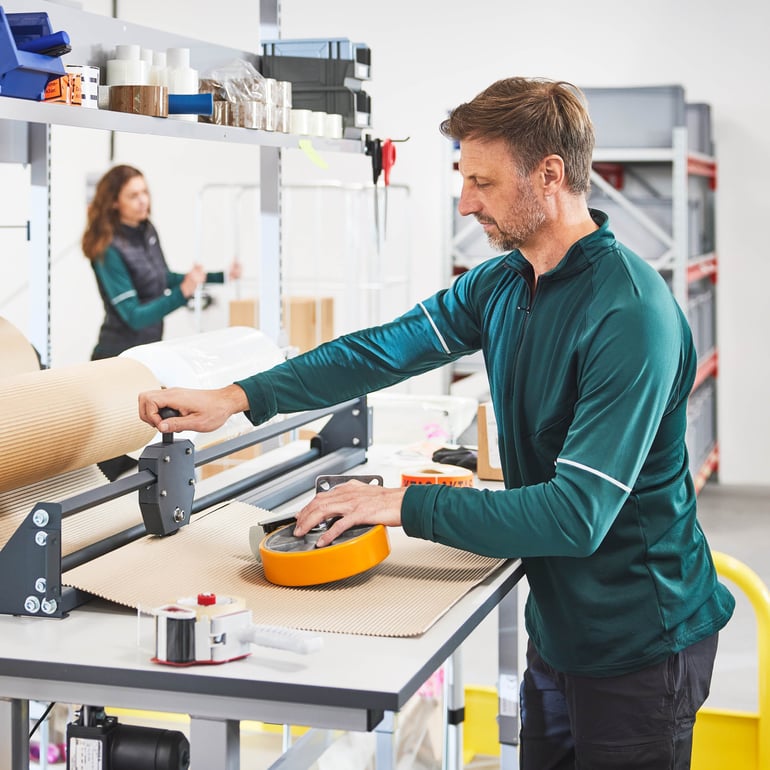
In workplaces where manual packing is a daily task, solutions tailored to your specific requirements are essential. Height-adjustable workbenches offer significant advantages, particularly when packing stations are shared between multiple colleagues. Customising the table height accommodates different users, ensuring comfort for everyone. It also provides opportunities to alternate between sitting and standing, creating movement breaks that increase blood circulation and alleviate strain on various muscle groups.
Ensure your workspace is large enough to handle the volume of products being packed. For larger quantities, the workspace must withstand considerable weight and maintain high durability. Inset rollers in the table surface can make it easier to rotate packages, helping to reduce physical strain and make repetitive tasks more comfortable.
What is the best working position?
Providing precise measurements for the optimal height of a work table is challenging. Factors like a person's height and the type of task influence this. As a general guideline for standing work, ensure arms remain at a comfortable level, avoiding excessive raising or lowering. This promotes ergonomic comfort and supports efficient workflow.
Arrange frequently used items within the inner work area to prevent incorrect handling, while less commonly used items can be placed in the external work area. This principle applies to both sitting and standing setups, ensuring efficiency and convenience regardless of working posture.
Discover our blogs about ergonomics in the workplace
What is an ergonomic work chair?
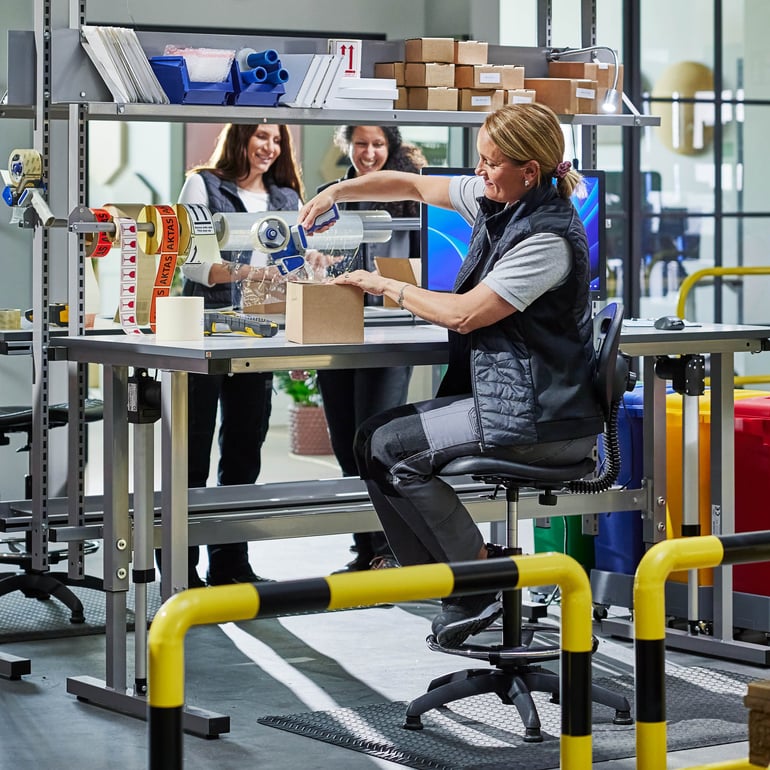
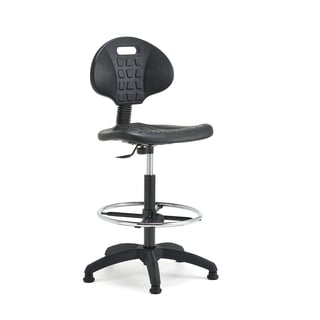
Switching between sitting and standing at least once per hour is beneficial. An ergonomic chair should have multiple adjustment options, such as seat height and angle, to open up the hips. If you choose a chair with a backrest, it should support the spine even when the sitting position changes. Whether to have armrests is subjective and depends on the work situation. Free lateral movement is often required in industrial work, making chairs without armrests a better option.
Adding a balance stool or saddle chair is also beneficial. These activate the back and core muscles during stationary work. Standing chairs facilitate the transition from sitting to standing and are excellent for situations where you're frequently up and down.

Invest in an ergonomic packing table and see up to 15 times your return
International studies show that ergonomic improvements can deliver a return of investment (ROI) of between 3 and 15 times the initial investment (Puleio & Zhao, Return on Investment for Ergonomics Interventions, Humanscale, 2015).
Build your packing station with ergonomic products
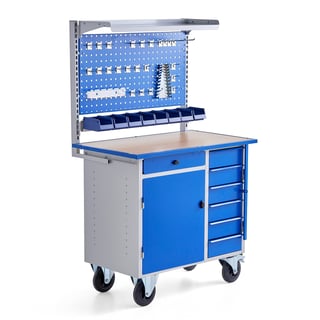
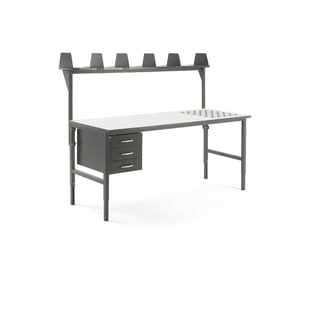
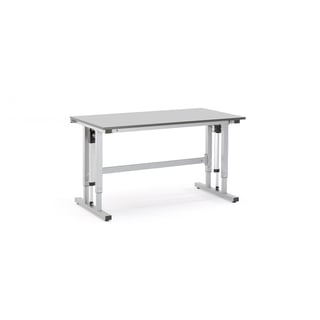
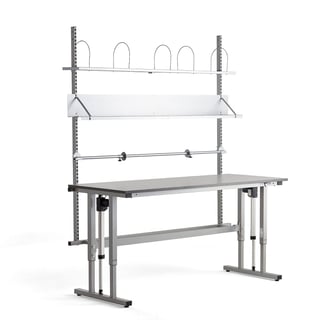
The right accessories for your packing table
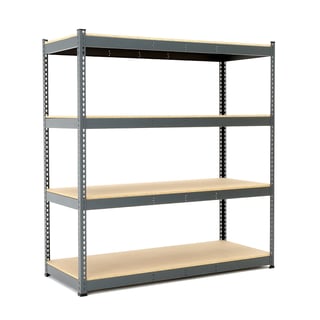
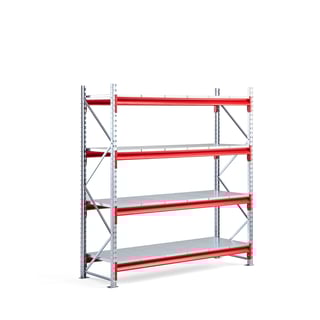
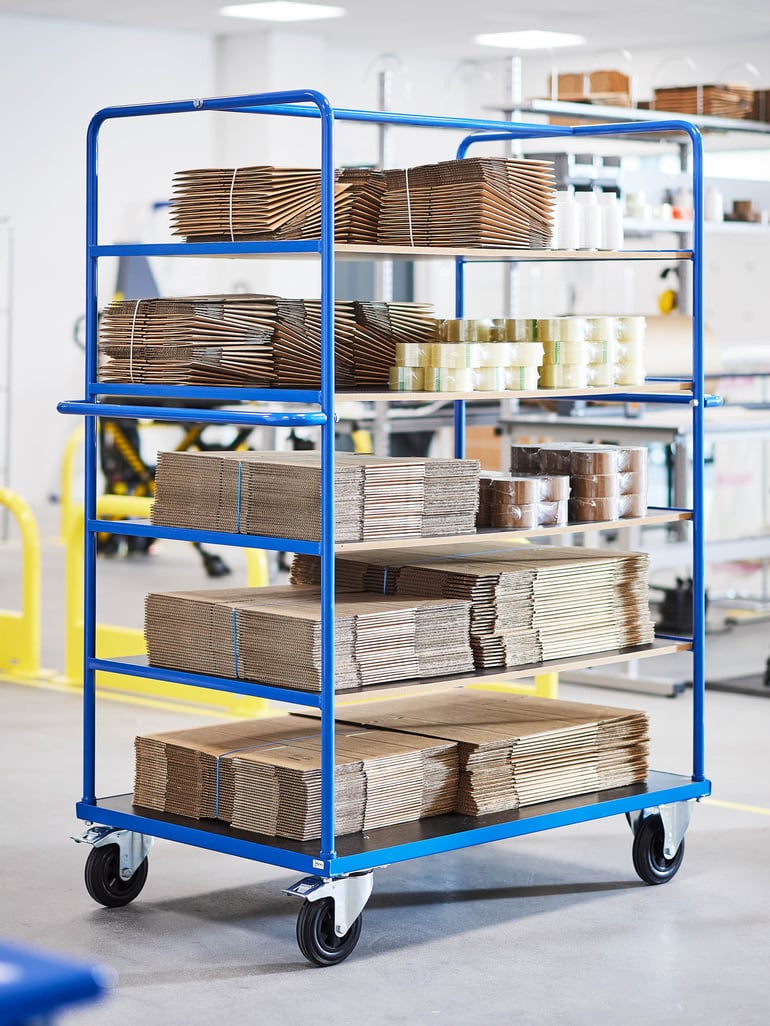
The risk of work-related injuries decreases when uncomfortable postures can be avoided. Accessories like shelves, accessory rails, and tool boards can be mounted above the work surface, keeping tools within reach and reducing strain. Kraft paper, boxes, bubble wrap, and other packing materials should be positioned to prevent bad posture. Mobile storage solutions, such as workshop drawers on wheels and table trolleys, add flexibility and can be placed where needed.
Minimising small frustrations throughout the workday enhances overall job enjoyment and productivity. Practical storage solutions for packaging and tools, such as roll stands and cutting units, make packing work simpler and more efficient.
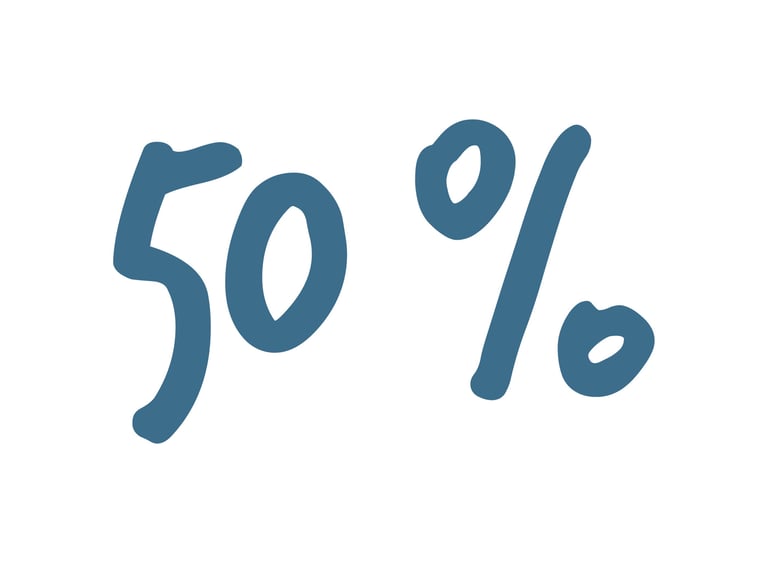
Ergonomically designed packing stations can reduce sick leave by up to 50%
(Shiri et al., The Role of Ergonomics in Preventing Work-Related Musculoskeletal Disorders, 2011; Punnett & Wegman, Work-Related Musculoskeletal Disorders: The Epidemiologic Evidence and the Debate, 2004).
Body relief during packing
Packing tasks often involve handling both large and small goods, leading to unnecessary lifting. Utilise table trolleys, scissor lifts, or pallet jacks to transport cargo and elevate it to a suitable working height. A scissor lift trolley, for instance, makes it easier and safer to transport packages to the packing table and can also be used as extra work surface. When used frequently, electric models are both more relieving and time-saving. Explore our wide range of lifting equipment to find the ideal solution for your needs.
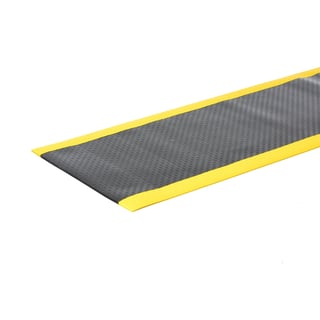
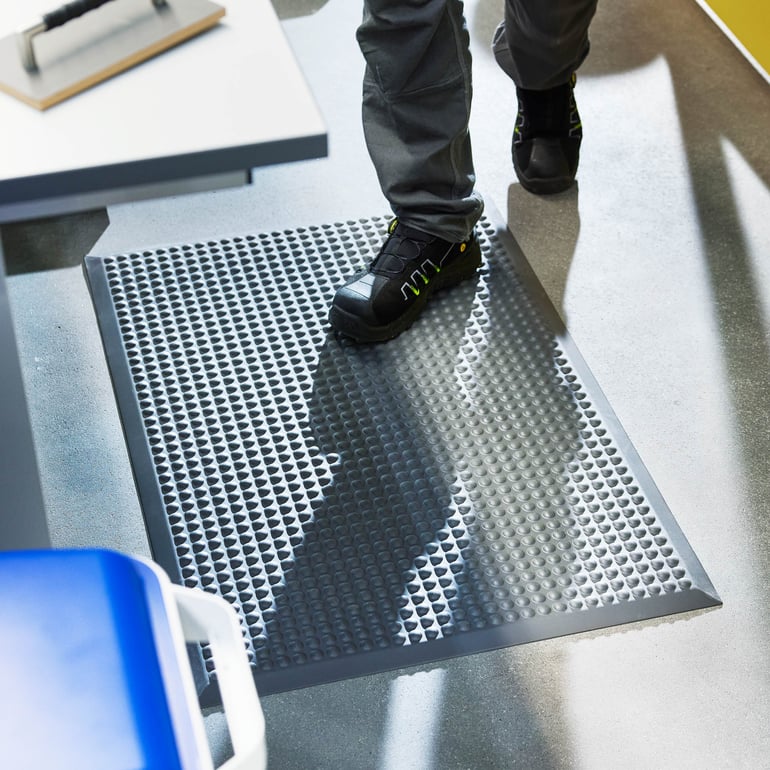
Because packing work also involves long periods of standing, the floor surface is equally important. A good workplace mat offers cushioning and a durable top layer helping to reduce strain on feet, legs and back. Opt for an ergonomic standing mat that is as long as, or longer than, the packing table to maximise comfort and support throughout the working day.
Summary
A healthier working life starts with the right foundations. By designing an ergonomic packing station, you create a workspace where tasks flow smoothly and the body is properly supported. With the right packing table, work chair, and accessories, you can reduce the risk of injury and make the working day more efficient and sustainable in the long term.