- AJ Izdelki
- Blog
- Izboljšanje delovnega okolja
- Creating a Neurodiverse-Friendly Workplace: A Win for Everyone
Creating a Neurodiverse-Friendly Workplace: A Win for Everyone
Understanding neurodiversity in the workplace
"It's important to emphasise that neurodiversity has nothing to do with intelligence. It simply means experiencing the world differently - not in a better or worse way," says Jenny Kindgren, behavioral scientist and training manager at Riksförbundet Attention.
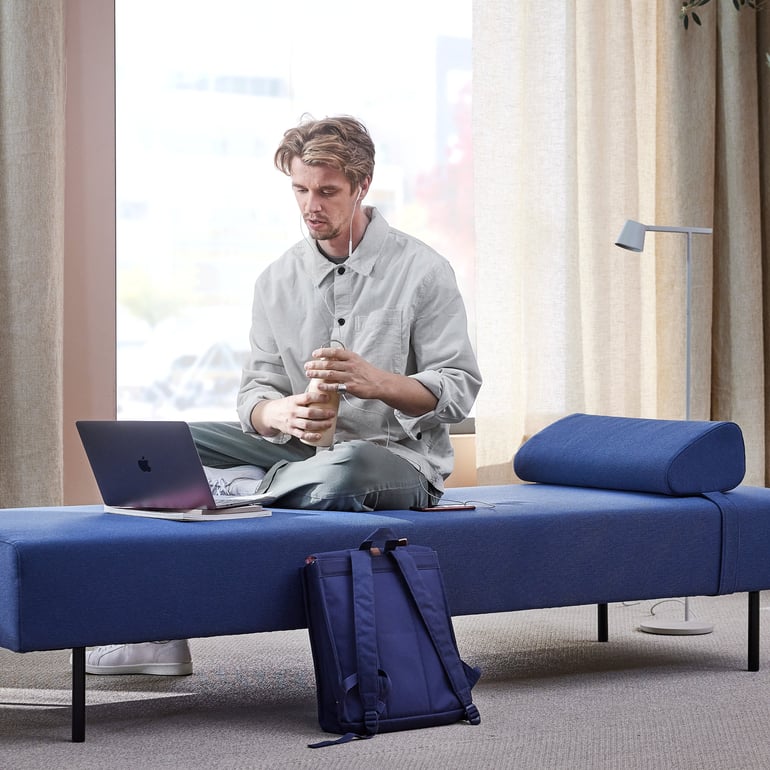
Noticing details that others might miss
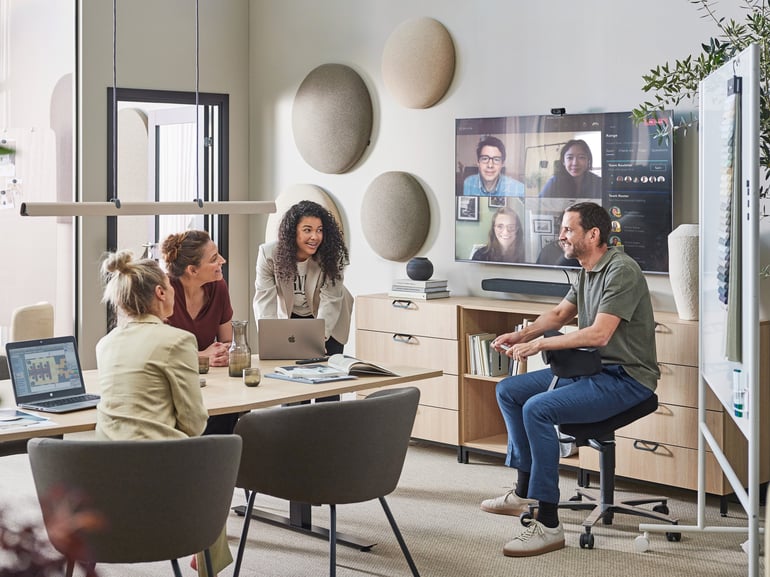
"We’ve made it a priority to deepen our understanding of neurodiversity so we can offer solutions that make working life easier and more inclusive. It’s encouraging to see the growing interest in making workplaces more accessible" says Annika Petersson, Head of Project Sales Office at AJ Products.
Explore Our Neurodiverse-Friendly Products
Why workplaces need to be inclusive

How can we create a neurodiverse-friendly workspace?
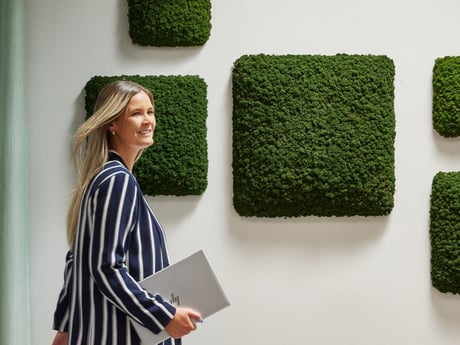
“Many neurodivergent individuals find it challenging to filter sensory stimuli and can be particularly sensitive to certain sounds,” explains Jenny Kindgren. “One effective way to support them is by reducing noise in the workplace. This can be done through the use of soundproofing materials, acoustic panels, curtains and upholstered furniture. It’s also important to ensure that desks and workstations have surfaces that minimise noise. Noise-reducing headphones can be a useful addition as well.”
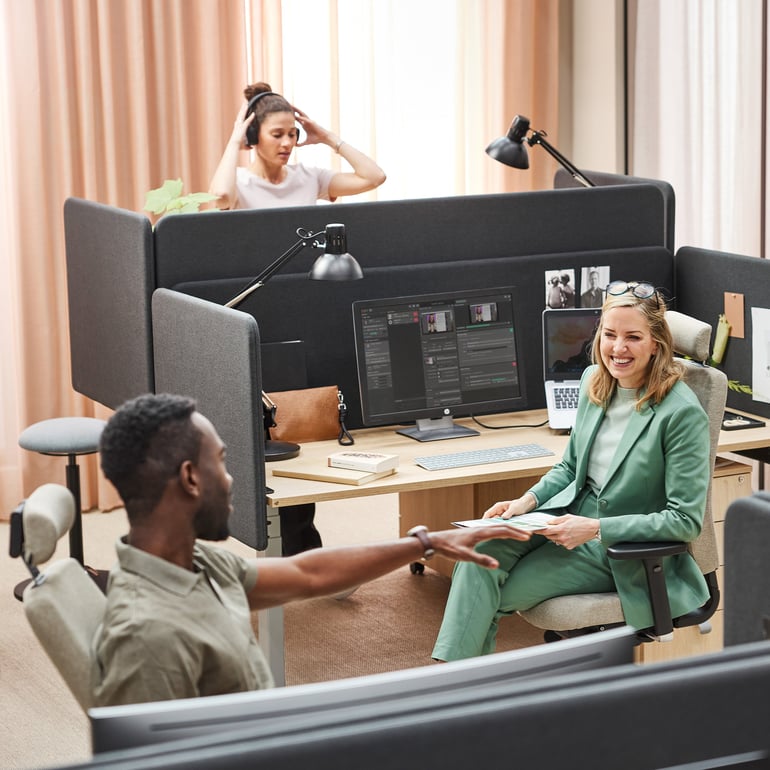

The benefits of neurodiverse adaptations for all employees
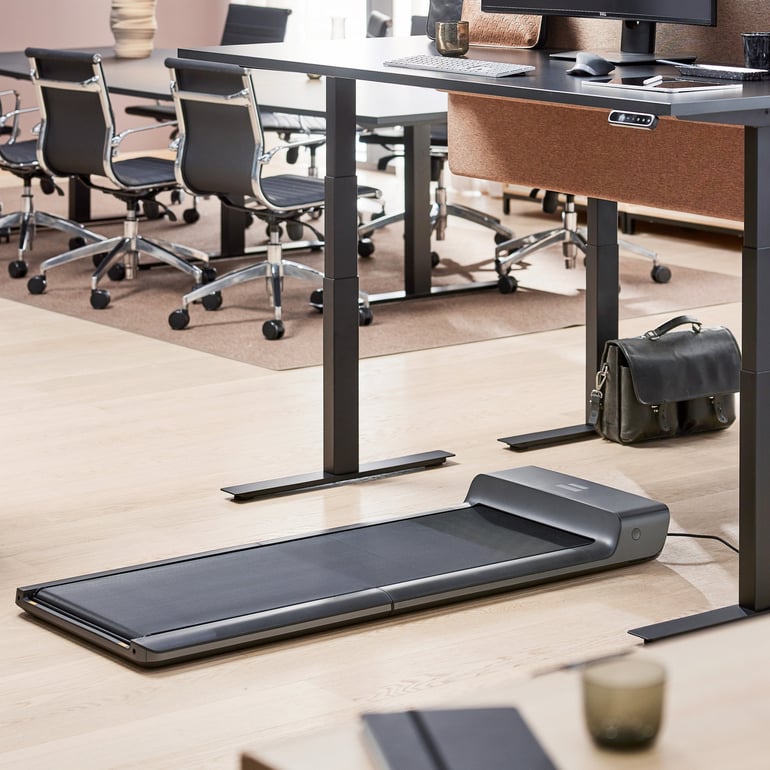
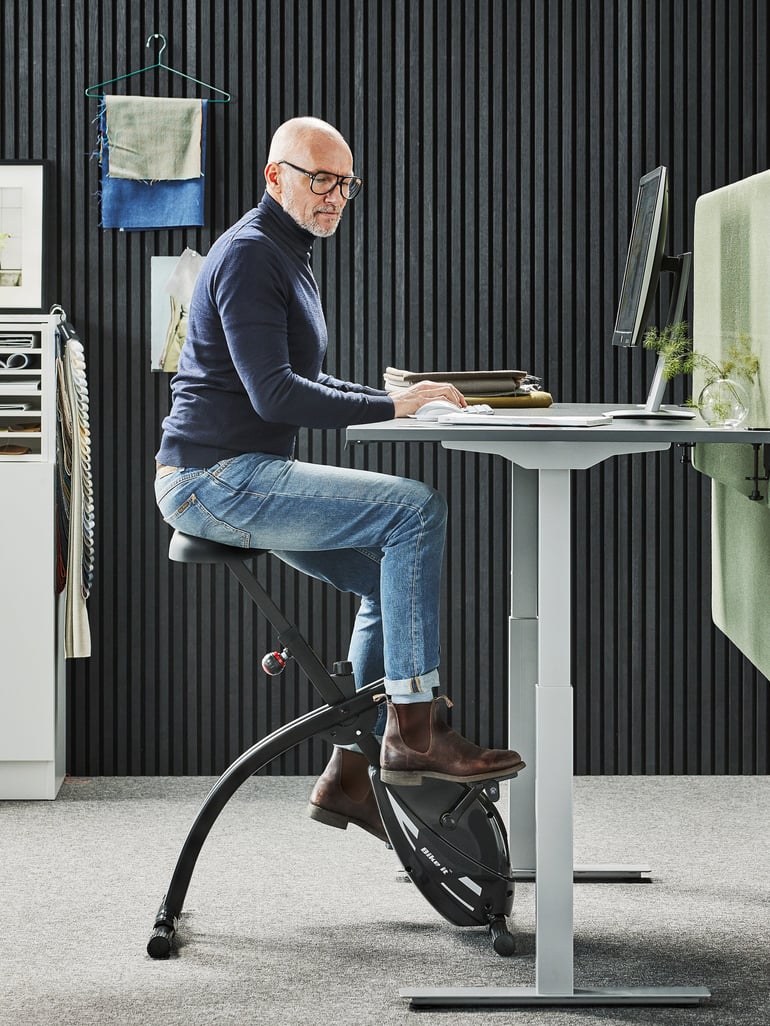
Tips to Make Your Workplace More Neurodivergent-Friendly
- Soundproofing: Reduce disruptive noise by installing acoustic panels and furnishing with sound-absorbing materials such as upholstered seating, carpets and curtains.
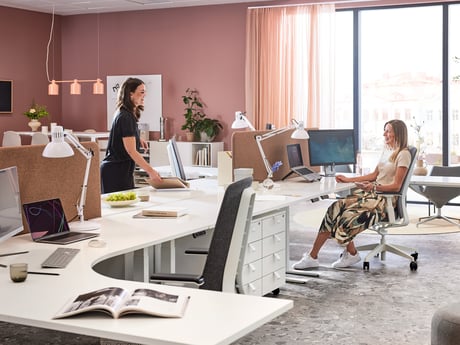
- Adjustable lighting: Use dimmable lighting and provide individually adjusted light sources to minimise visual overstimulation.
- Separate workspaces: Create quiet focus rooms where employees can work privately without distractions.
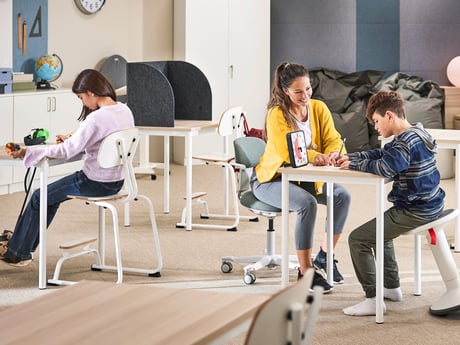
- Screens: Install partition walls and desk screens to reduce visual disturbances and support focus, especially in open-plan offices.
- Flexible workspaces: Let employees choose where to work based on their preferences and the nature of their tasks.
- Regular breaks: Encourage short, regular breaks to prevent overstimulation and improve focus.
- Sensory aids: Provide access to sensory tools such as stress balls or fidget items that support focus through self-regulation ("stimming").
- Structured work environment: Maintain clear routines and communicate them in writing to support planning and reduce unexpected changes.
- Active seating: Offer alternatives like balance balls, saddle chairs or desk bikes to promote movement and reduce restlessness during desk work.
- Training and awareness: Educate all staff on neurodivergence and the importance of inclusion and reasonable adjustments.
FAQ
Ravnanje z odpadki se nanaša na vse dejavnosti in dejanja, potrebna za ravnanje z odpadki. To vključuje zbiranje, transport, obdelavo in odlaganje odpadkov ter spremljanje in urejanje procesa ravnanja z odpadki.
Obstaja več zakonov in predpisov, ki jih morajo podjetja upoštevati, ko gre za ravnanje z odpadki. Med njimi sta med drugim Okoljski zakonik in Uredba o odpadkih. Katera posebna pravila veljajo, se lahko razlikujejo glede na vrsto podjetja in vrsto odpadkov.
Nevarni odpadki se nanašajo na materiale, ki so lahko škodljivi za zdravje ljudi ali okolje, kot so baterije, olja, barve, čistilne kemikalije in elektronika.
Nevarne odpadke moramo vedno ločevati od ostalih odpadkov in z njimi ravnati v skladu s posebnimi pravili. Običajno bi jih moralo zbrati pooblaščeno podjetje za ravnanje z odpadki in prepeljati v obrat za obdelavo, ki je odobren za ravnanje z nevarnimi odpadki.
Z racionalizacijo proizvodnih procesov, zmanjševanjem nepotrebne porabe, popravljanjem namesto zavrženja in oblikovanjem izdelkov, ki so bolj trpežni in lažji za popravilo in recikliranje.
S pravilnim ravnanjem in sortiranjem odpadkov lahko zmanjšamo vplive na okolje, prihranimo naravne vire in energijo ter prispevamo k bolj trajnostni prihodnosti. Pomaga tudi zmanjšati tveganje škodljivih emisij in onesnaženja.