- AJ Izdelki
- Blog
- Nasveti in trendi
- How hybrid working can produce even better results for businesses
How hybrid working can produce even better results for businesses
Hybrid working is here to stay. Giving employees the freedom to decide where they want to work, in the office or remotely, is the new normal for many businesses. In some cases, it's even a must to attract the best employees. So how do you create a well-functioning hybrid workplace and what are the pros and cons? Here are a few tips that can help your organisation succeed.
Everyone wins with hybrid working
In this ever-changing modern world, the average time a worker is expected to be in the office is less than ten days a month. These days, most online meetings have at least one participant working remotely, but what is it about hybrid working that is so appealing? Of course, the answer is all the benefits it offers, both to businesses and employees.Benefits for employees:
- Saves time on commuting and gives a better work life balance.
- Allows them to work in a peaceful environment and have a clearer focus on tasks.
- Gives them more control over their own time, which results in reducing stress and increased well-being.
- Leads to greater satisfaction with their job.
Advantages for employers:
- Results in satisfied employees who enjoy a good work life balance.
- Boosts productivity because employees are motivated to perform better.
- Helps them become a more attractive employer and who finds it easier to retain and attract new staff.
The key areas of hybrid working
We know that hybrid working can have positive outcomes, but getting the balance right is important. In order to succeed, there are two key areas on which to focus with these areas:• The work environment – by optimising the workspace available both in the office and remotely
• The management – by developing trust, shared responsibility and clear policies
Working environments
The thinking behind hybrid working is that every employee should be able to work from anywhere, but what should these different workspaces look like?
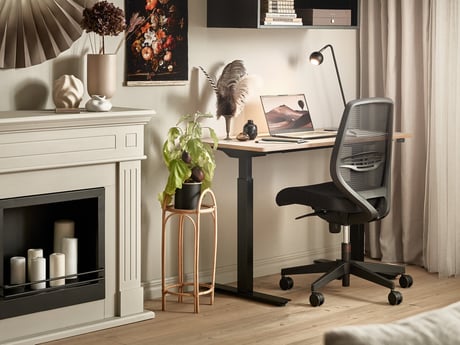
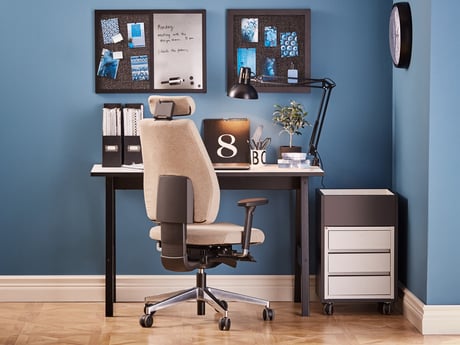
Home offices: Regardless of where work is done, the employer is responsible for the workplace environment. Therefore, assisting employees with the appropriate ergonomic furniture and other essential work accessories for their home office should be a priority.
Read more about good ergonomics at home
Collaborative spaces: So what makes an employee trade home comforts for a day at the office? Meeting colleagues in person lets workers hold more productive conversations and motivates teams.
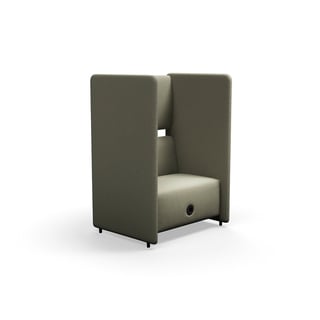
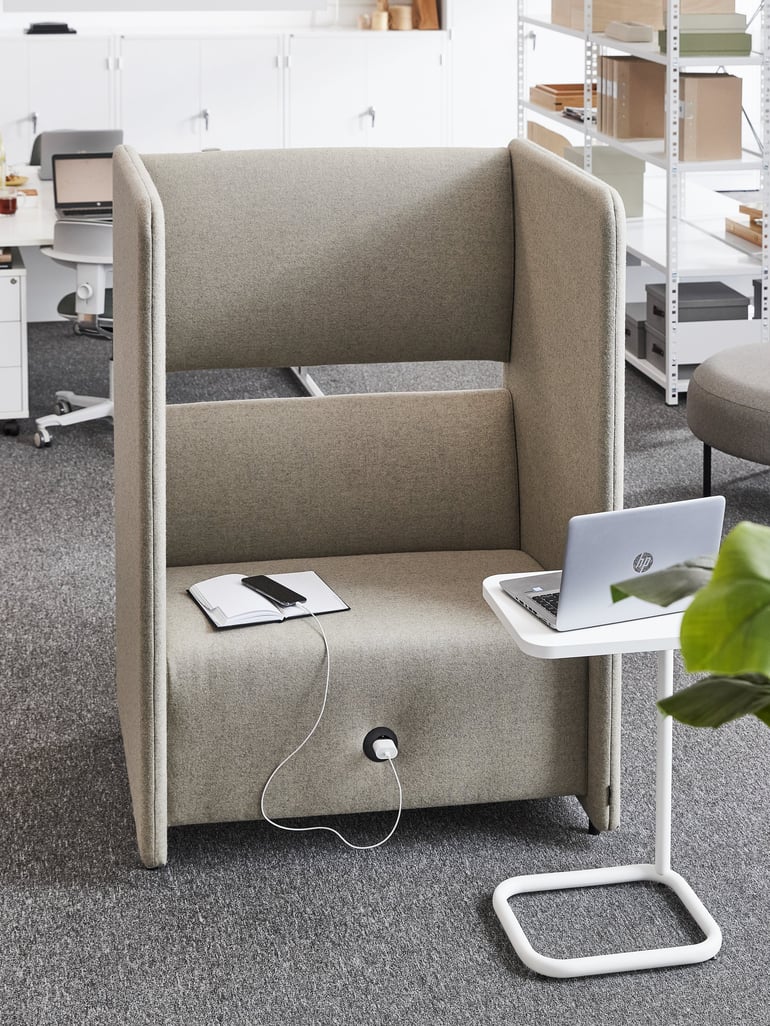
Individual workspaces: Small meeting rooms can also be a key feature for many business premises. Some employees may need a quiet area to work in because they might find it hard to focus on tasks in the office. Furthermore, is it a good idea to change working positions and not be in the same place all day. Going to meeting booths, pods, or the staff room can provide flexible working options for individuals to go and work in a stress-free environment in the office.
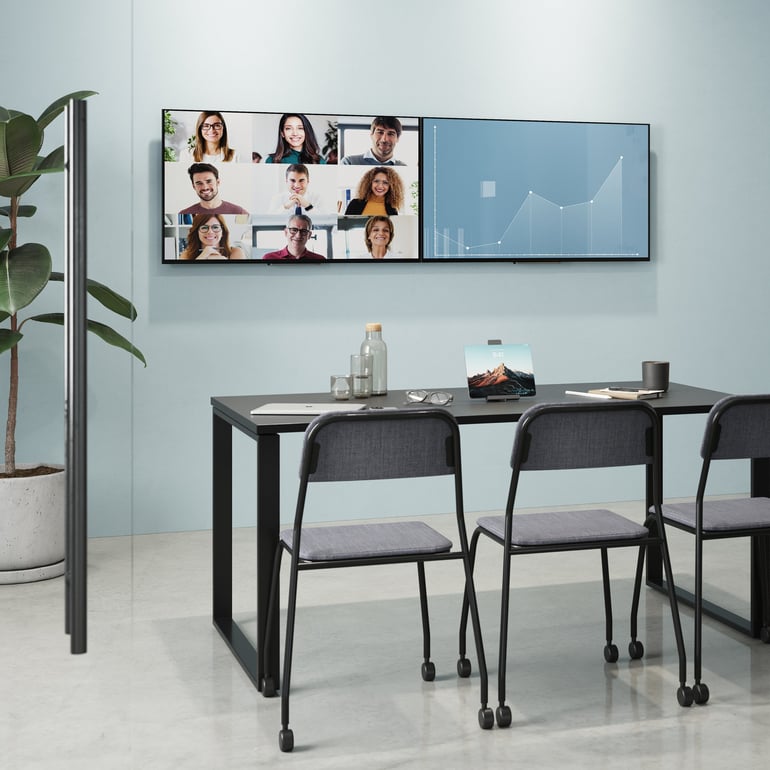
Technology and furniture: Hybrid working assumes it's just as easy to meet physically as digitally, but sometimes that isn’t the case. It is key to furnish your conference room appropriately, so everyone can feel present in meetings, regardless of where they are. One tip is to move the TV screen to the long side of the table because everyone, even those participating remotely, can see each other more clearly and feel involved in the meeting.
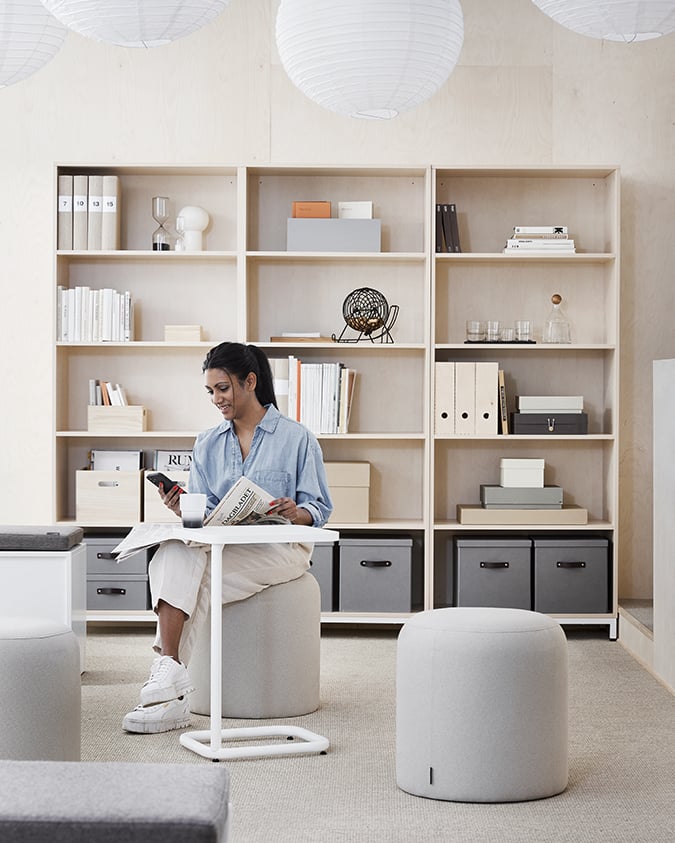
Socialising at work: The prospect of socialising has always drawn employees to the office. For a hybrid workplace, having a space where people can meet and interact is important. All that's required is a few sofas, chairs and tables to create a welcoming and pleasant environment.
Technology and furniture: Hybrid working assumes it's just as easy to meet physically as digitally, but sometimes that isn’t the case. It is key to furnish your conference room appropriately, so everyone can feel present in meetings, regardless of where they are. One tip is to move the TV screen to the long side of the table because everyone, even those participating remotely, can see each other more clearly and feel involved in the meeting.
Socialising at work: The prospect of socialising has always drawn employees to the office. For a hybrid workplace, having a space where people can meet and interact is important. All that's required is a few sofas, chairs and tables to create a welcoming and pleasant environment.


Management
Letting go of responsibility can be difficult at first for managers at first. It requires a strong belief in the employees' ability to plan and complete their tasks independently; but having mutual trust and responsibility are essential for hybrid working to function.Release control: Managers need to let the workplace evolve. Giving employees the right conditions can increase productivity and job satisfaction, not to mention loyalty to the business.
Delegate responsibility: A well-functioning hybrid workplace can requires all employees to take their share of accountability. Dividing responsibility can also be influential for workers to develop their own skill sets and give them the opportunity to grow as individuals.
Clear policies: It's vital to have a clear structure within the team. Set rules for how often employees are expected to be in the office and their responsibilities when working from home.
So, now you know the steps required to make the a smooth transition to hybrid working. Now it's up to you and your employees to take the next step. Good luck!
Popular products
57,00 €
Brez DDV

18,00 €
Brez DDV


186,00 €
Brez DDV