- AJ Izdelki
- Blog
- Izboljšanje delovnega okolja
- How breakout spaces in schools can improve learning
How Breakout Spaces in Schools Can Improve Learning
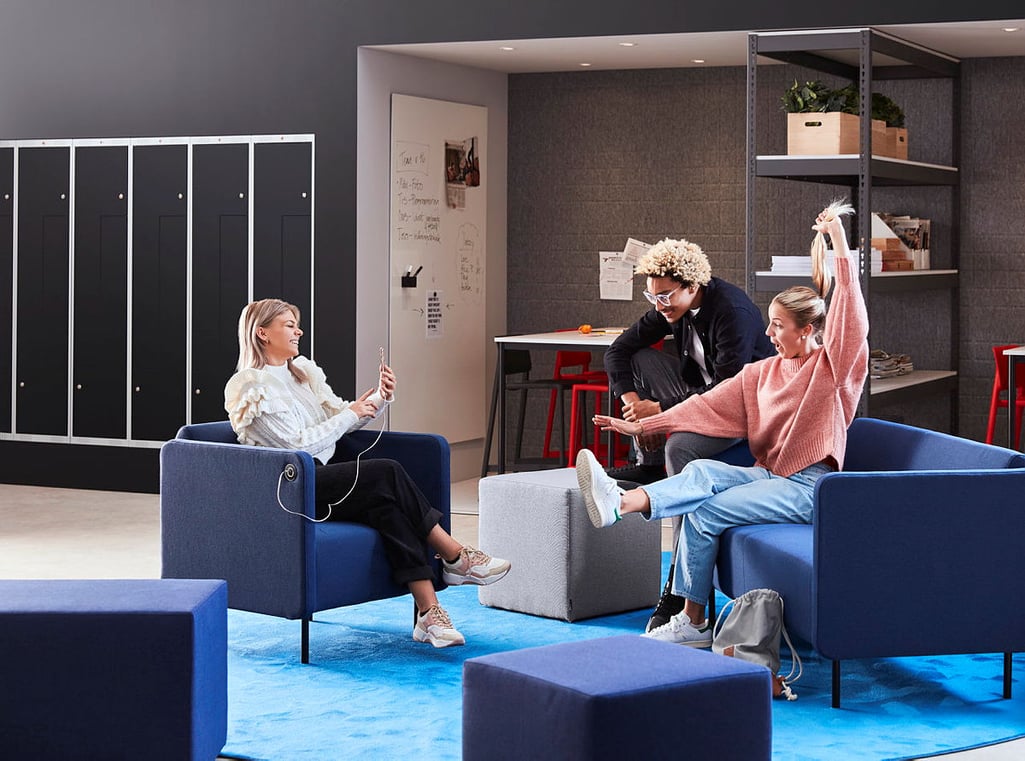
What Are Breakout Spaces?
Breakout spaces are dedicated areas outside the traditional classroom designed for collaborative and independent learning. These spaces help students engage in group discussions, complete projects, or study in a relaxed environment.
Despite their name, breakout spaces are not just for breaks. Instead, they serve as an extension of the classroom, allowing students to:
- Continue discussions and teamwork after class.
- Work on group projects in a comfortable setting.
- Study independently during free periods.
- Receive one-on-one or small group support from teachers.
By integrating these spaces into schools, educators create a dynamic learning environment that supports different learning styles.
Why Are Breakout Spaces Important?
Providing a variety of learning environments helps cater to different student needs. Breakout spaces allow schools to foster engagement, creativity, and productivity beyond the classroom.
Key benefits of breakout spaces:
- Encourages collaboration – Students can work together on projects and share ideas more freely.
- Supports different learning styles – Some students thrive in group discussions, while others prefer quiet, independent study.
- Increases student engagement – A relaxed and comfortable setting can make learning more enjoyable.
- Reduces classroom overcrowding – By providing alternative learning areas, schools can ease congestion in traditional classrooms.
- Gives teachers flexibility – Educators can meet with small groups to provide targeted support.
Breakout spaces also help students feel more in control of their learning, fostering a sense of independence and responsibility.
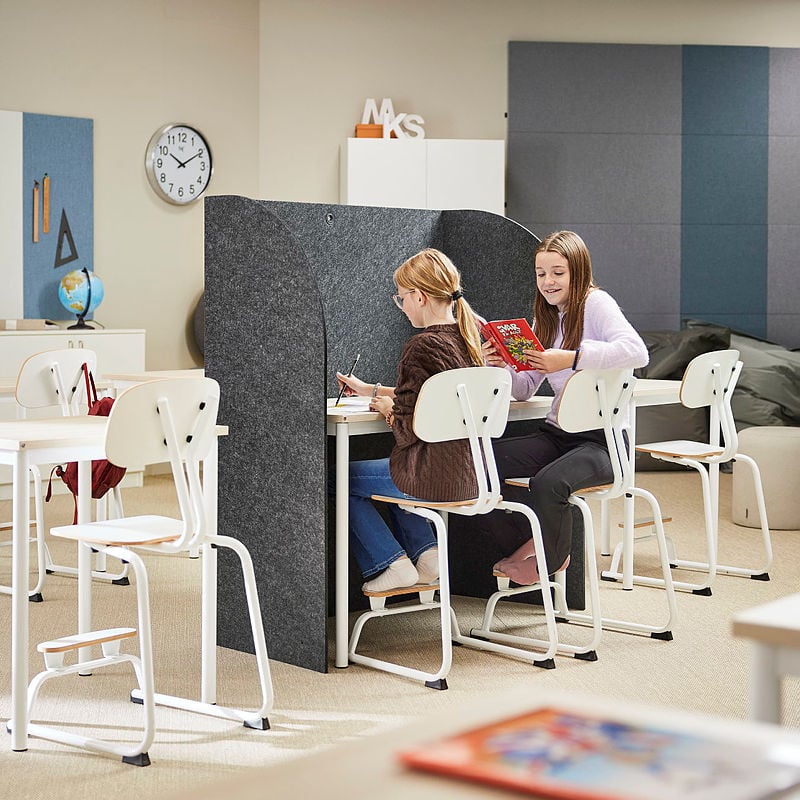
Design Tips for an Effective Breakout Space
Creating an effective breakout space involves careful planning to ensure it meets the needs of students and teachers. A well-designed area should be comfortable, adaptable, and equipped with the right tools to support learning.
Flexible and Adaptable Layout
Breakout spaces can be created in various locations within a school, including hallways, libraries, common rooms, or unused corners. The key is to ensure that the space is:
- Open and inviting for group discussions.
- Comfortable for students who prefer quiet, independent study.
- Flexible enough to be rearranged based on different learning needs.
Varied Seating Options
Offering different seating arrangements allows students to choose what works best for them. Consider incorporating:
- Soft seating for relaxed discussions and casual learning.
- Standing desks for students who prefer a more active workspace.
- Booths or semi-private seating for focused study sessions.
Collaborative Tools
Breakout spaces should be equipped with tools that enhance teamwork and learning, such as:
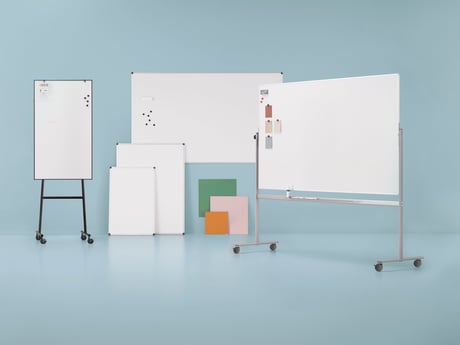
- Portable whiteboards for brainstorming sessions.
- Projectors or screens for sharing digital content.
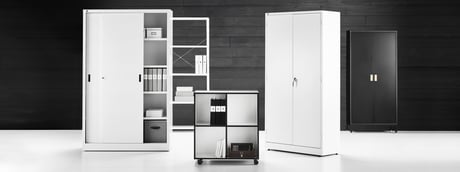
- Storage solutions for books and study materials.
Technology & Connectivity
Technology is an essential part of modern learning. A breakout space should provide:
- Reliable Wi-Fi to support research and collaboration.
- Accessible power outlets and USB ports for charging devices.
- Smart desk layouts that keep cables tidy and organised.
Inspirational Decor & Colour Psychology
Using the right colours and decor can help create an inviting and engaging learning space. Consider:
- Bright and stimulating colours to encourage creativity.
- Calm, neutral tones for areas meant for focused study.
- Displaying student artwork, motivational quotes, or murals to personalise the space.
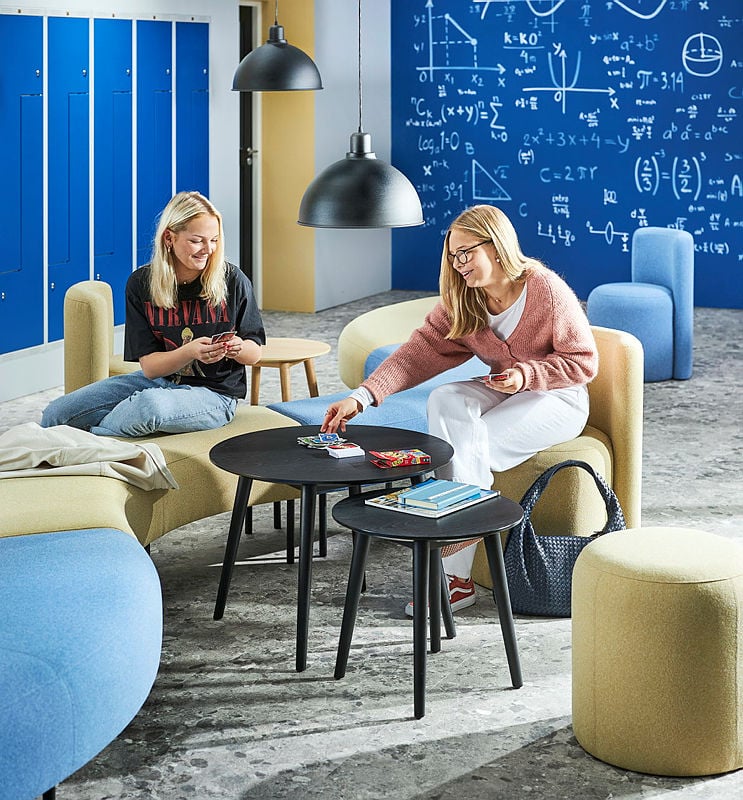
Comparison: Traditional vs. Breakout Learning Environments
How do breakout spaces compare to traditional classrooms? The table below highlights key differences:
CLICK TO COMPARE CLASSROOMS VS. BREAKOUT SPACES
| Feature | Traditional Classroom | Breakout Space |
|---|---|---|
| Learning Style | Teacher-led, structured | Student-led, flexible |
| Collaboration | Limited group work | Encourages teamwork |
| Comfort & Engagement | Fixed seating, limited movement | Varied seating, active learning |
| Technology Access | Limited tech integration | Wi-Fi, power sockets, digital tools |
By integrating breakout spaces alongside traditional classrooms, schools can provide a more engaging and student-friendly learning experience.
Conclusion: Expanding Learning Beyond the Classroom
Breakout spaces are more than just additional seating areas—they are dynamic environments that support different learning styles and encourage student collaboration.
By integrating well-designed breakout spaces into schools, educators can:
- Foster a more inclusive and flexible learning environment.
- Support students who learn best through collaboration or independent study.
- Provide comfortable and engaging areas for brainstorming, project work, and discussion.
- Ensure that technology and connectivity enhance the learning experience.
Schools that invest in adaptable and well-equipped breakout spaces empower students to take ownership of their education, making learning more enjoyable and effective.