- AJ Izdelki
- Blog
- Nasveti in trendi
- How to sort your waste and recycling at work
How to sort your waste and recycling at work
Why recycling at work matters? Save energy and natural resources
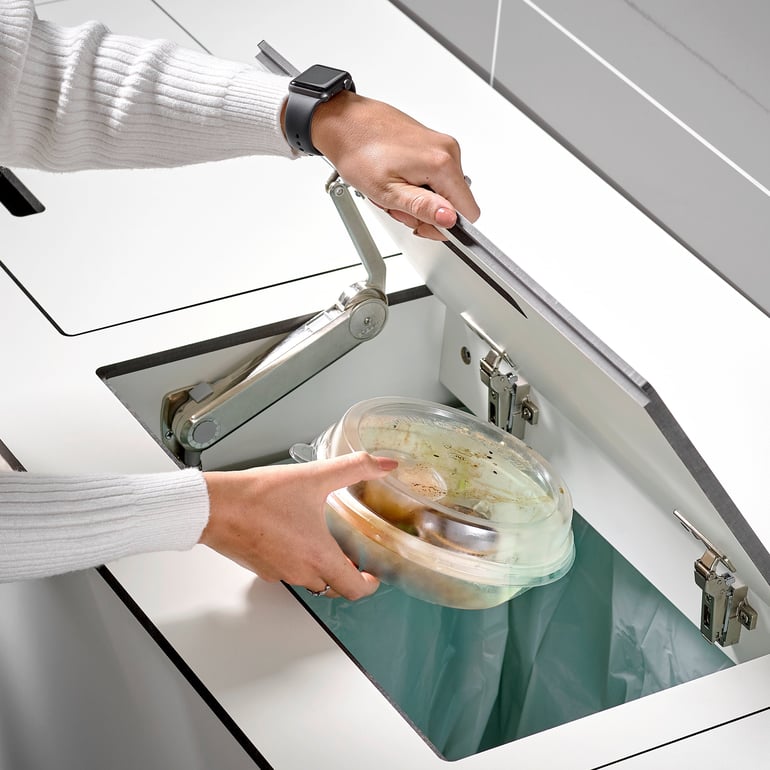
Everyone benefits from waste sorting. Not only can batteries and other hazardous waste be disposed of safely, but waste streaming provides numerous environmental benefits by saving energy and resources at the point of manufacture. For example, it is both more energy efficient and more resource efficient to create new paper from recycled material than to first incinerate old paper and cut down more trees to use as new raw material. As such, recycling helps your business reduce its environmental footprint.
Start with hazardous and regulated waste
TIPS! Battery bins
Find out more
Make recycling easy across the workplace
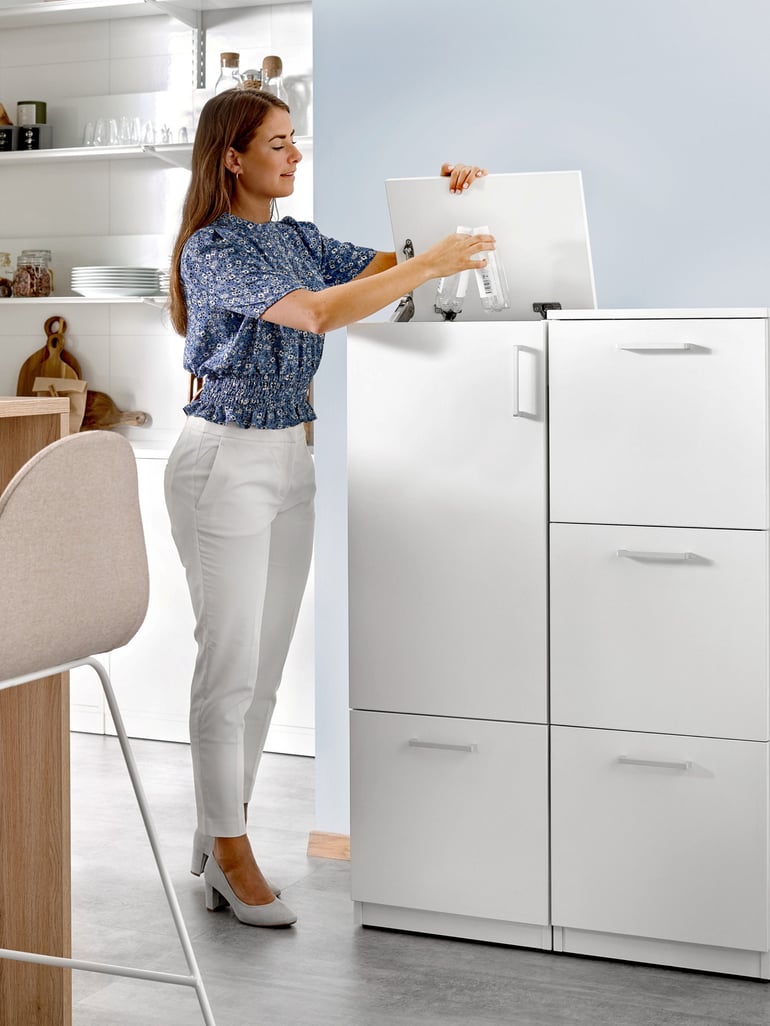
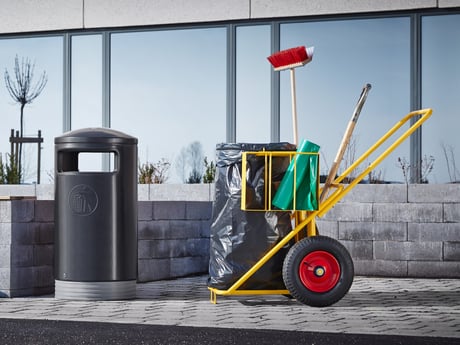
Managing waste in shared areas and outdoor spaces
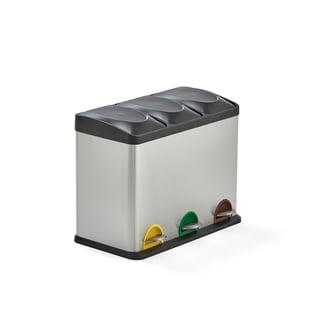
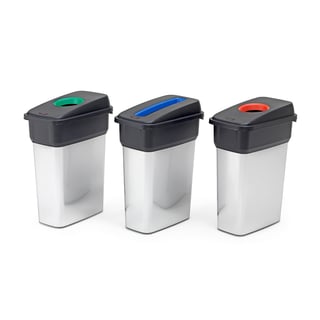
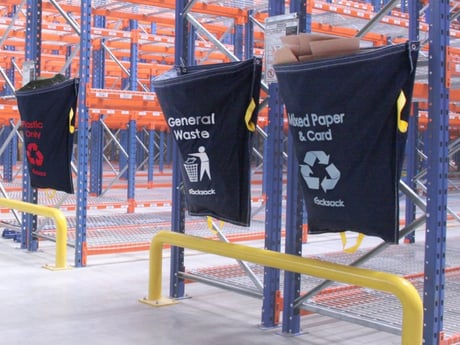
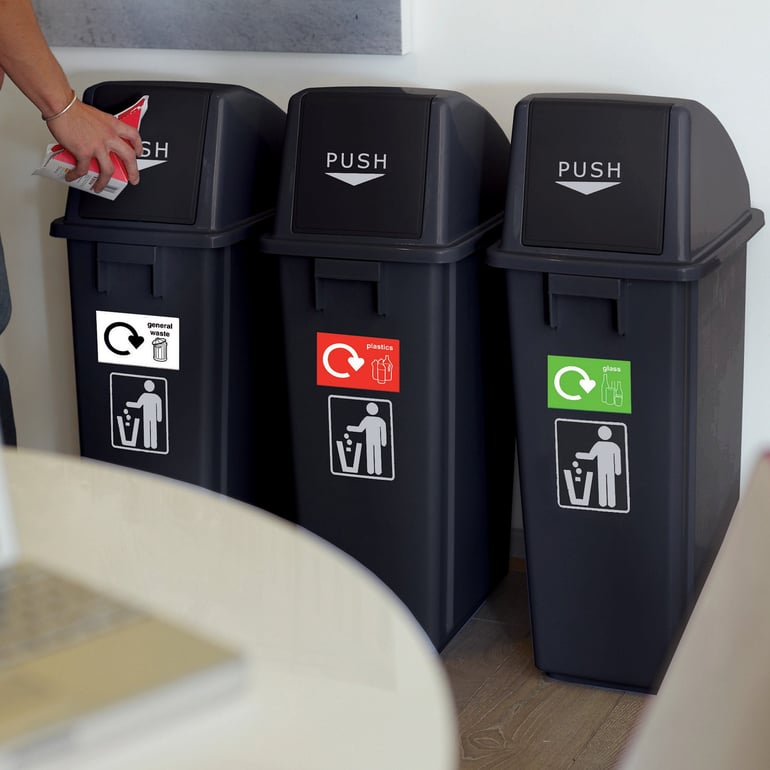
Where you expect several different types of waste to be produced, make sure your system is simple to understand. Use clear labels and/or different coloured containers so that it is quick and easy to put rubbish in the right place. This is particularly important in the kitchen and canteen: separating plastic, glass and metal packaging from other waste is simple and has a big impact. Have separate receptacles for food waste (which will turn into compost) and non-recyclables. A well organised system with clearly marked containers all in one place is no more difficult than just throwing rubbish in the bin and will quickly become second nature.
Outdoor areas, including entrances, loading bays and designated smoking zones, require waste solutions that can withstand weather exposure while maintaining a tidy, professional appearance. Weather-resistant bins help prevent litter and reduce cleaning time, particularly in high-traffic areas.
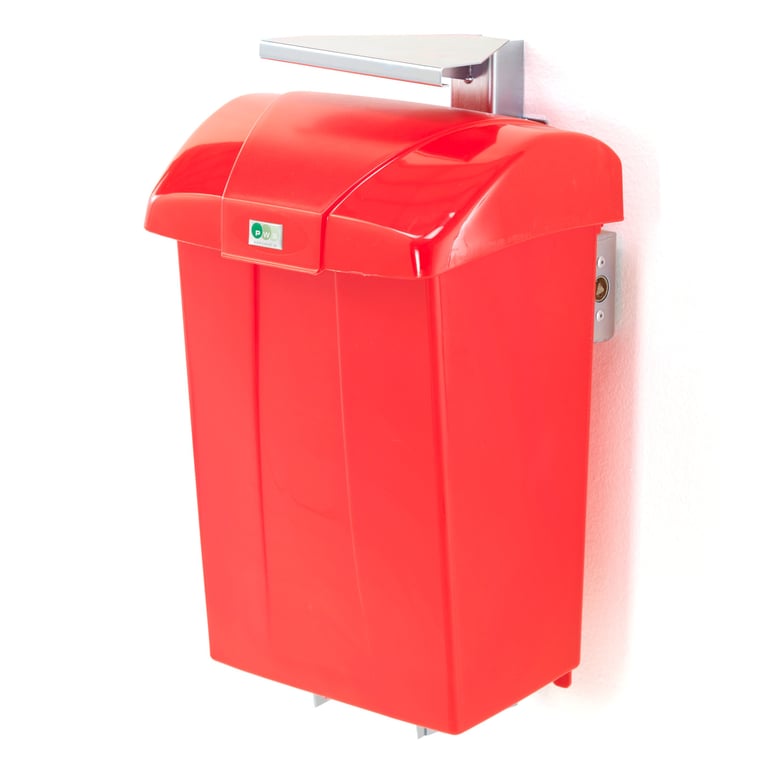
In smoking areas, wall-mounted cigarette bins provide a simple and effective way to contain cigarette waste safely. Fixed at eye level and clearly visible, they discourage littering, reduce fire risk and help keep outdoor spaces clean without taking up valuable floor space. When placed alongside general waste or recycling bins, they form part of a well-managed outdoor waste system that supports hygiene, safety and environmental responsibility across the site.
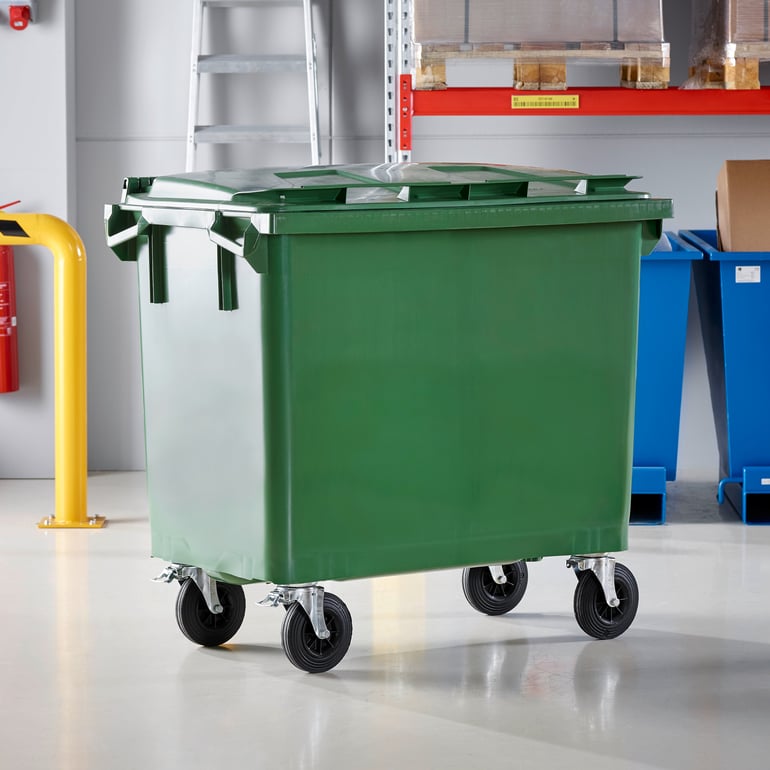
Use wheelie bins for large amounts of rubbish or recycling
Wheelie bins are ideal for use in warehouses and manufacturing facilities as well as "back of house" in offices, hotels, schools and more. They offer plenty of space and are very versatile, making them suitable both for any residual non-recyclable waste as well as for collecting large amounts of any other material for recycling, such as cardboard packaging or plastic waste. The bins are easy to move, empty and clean.Put residual waste in compostable bags
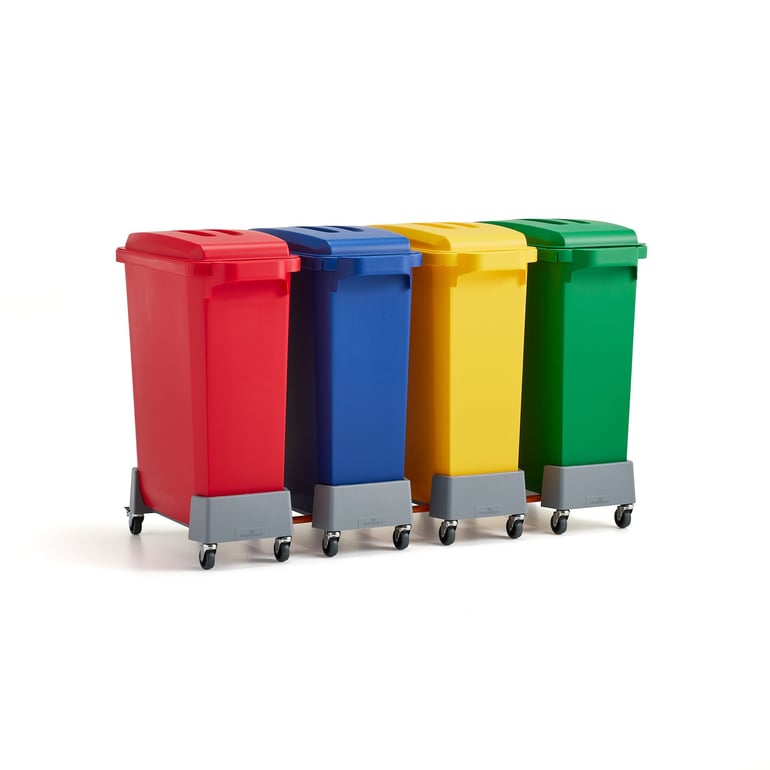
TIPS! Package deals are a great way to get started
View the recycling package
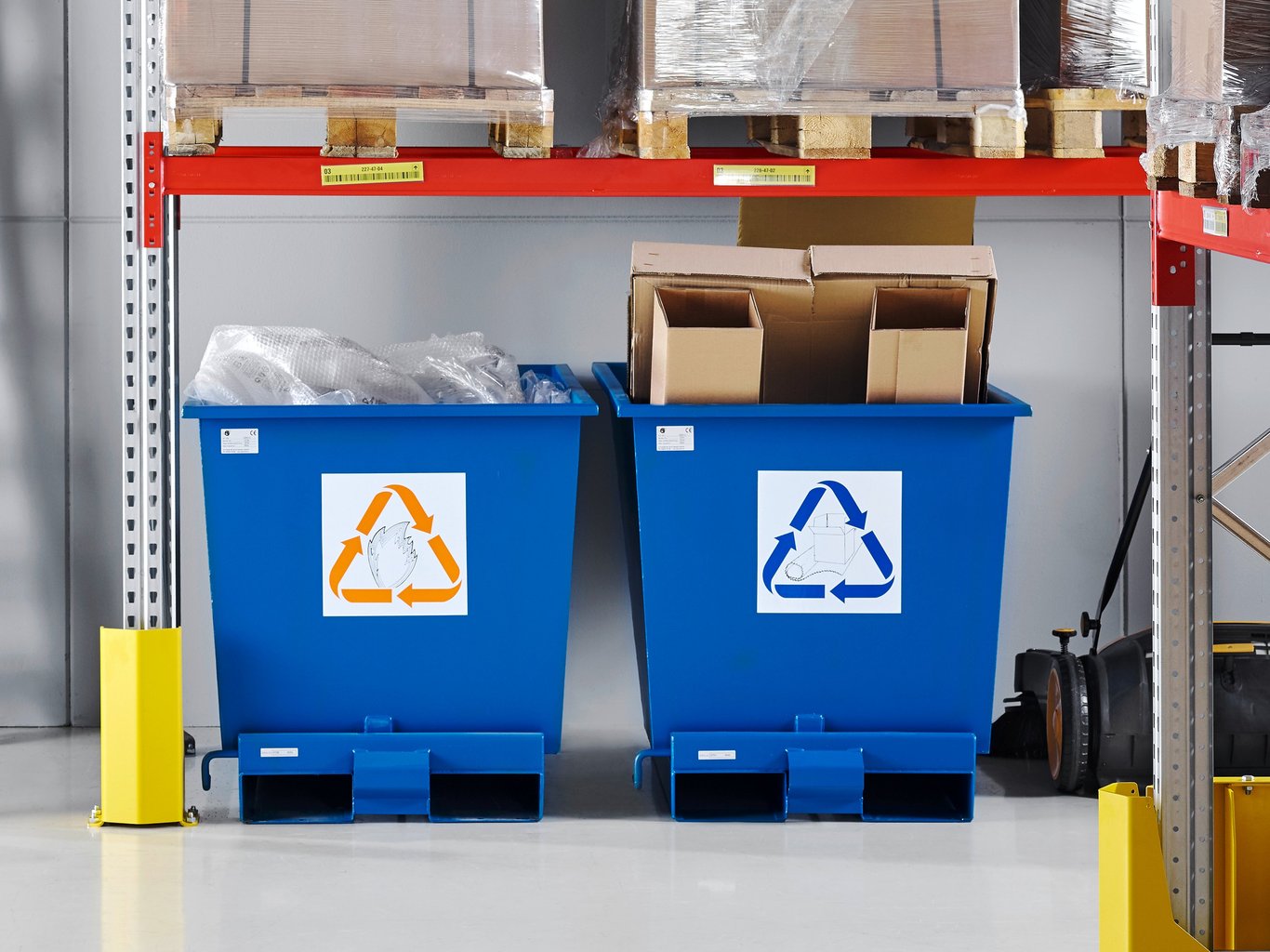
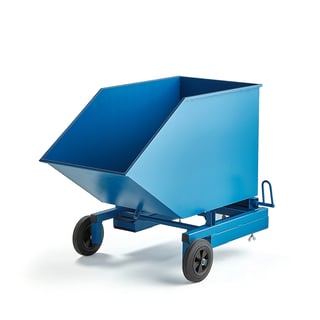
Use tipping skips for bulky waste
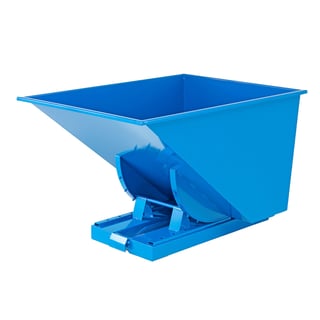
When it comes to waste sorting on a larger scale (of heavier materials, construction waste, etc.), tipping skips are an excellent choice. These robust containers are designed for heavy-duty handling of up to 3000 L of waste and for use with forklift trucks. As with recycling bins, they are available in several different colours to facilitate waste separation. Add lids, castors and labels to make it easy to do the right thing, even with the heaviest and roughest waste.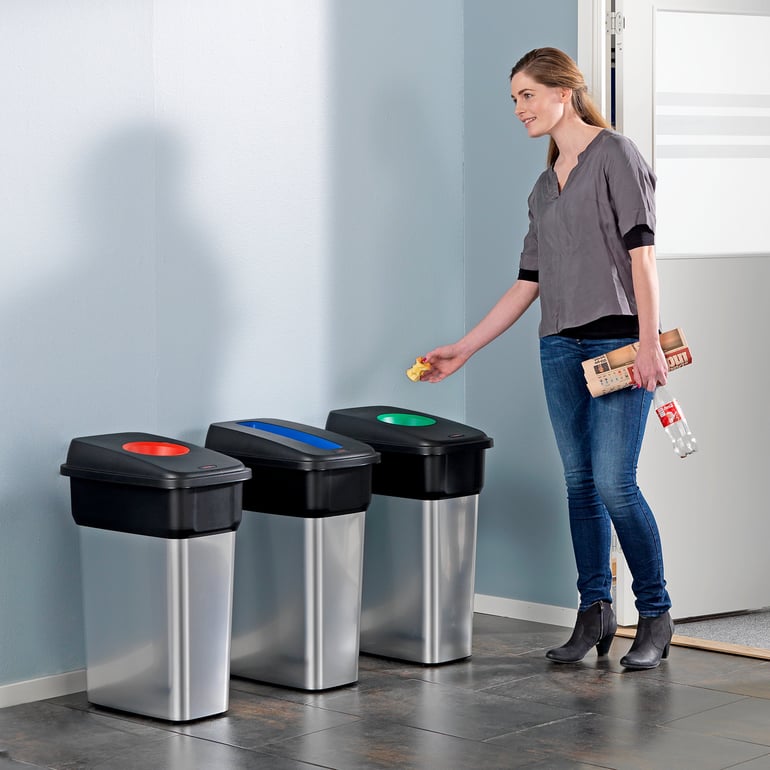
Seven tips to help you get started with recycling
2. Communicate clearly – Educate staff about what items can be recycled and which bins they should use. Use clear WRAP compliant labels on the bins themselves to show users what rubbish should go where. You could also make up a poster to go in kitchens and communal areas that makes it really easy. Make sure cleaning staff are aware of the recycling scheme as well.
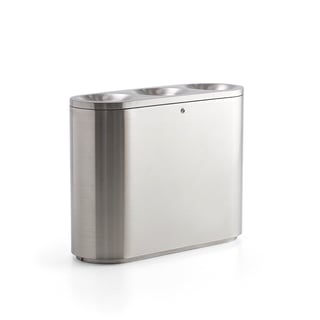
3. Keep all the waste streams in one place – If you have space, choose a recycling set that includes several waste receptacles or openings. Having everything in one place means it will be just as easy for people to recycle as it used to be for them to throw all their rubbish into one bin. Remember, easy is key!
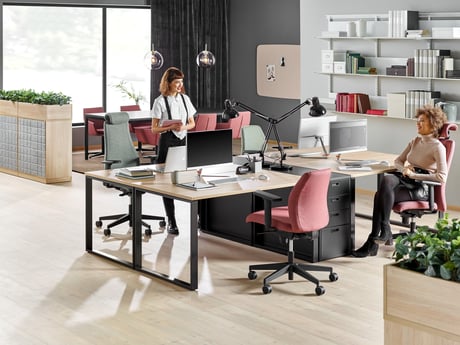
4. Have more than one recycling station – Make sure that employees always have a recycling station nearby so that there’s no excuse. You should position bins close to workstations as well as in the kitchen, breakroom, changing area and any other places staff congregate.
5. Think before you print - Do you really need to print that document? Often an electronic copy will suffice. Not only will this reduce paper waste but it will help save money on printing and ensure fewer copies of sensitive documents are produced, which will make it easier to manage GDPR. If you do have to print, use both sides of the paper.
6. Reduce consumables - Instead of providing plastic cups at the water dispenser and polystyrene cups and plastic spoons for tea and coffee, equip your workplace with reusable dishware and cutlery. Yes, you will need to make an initial investment in these items and perhaps even dishwashers, but it will save you money in the long run, not to mention reduce non-recyclable waste.
7. Use recycled ink cartridges - Recycled ink and toner cartridges are better for the environment and more cost effective for your business. Remember to recycle the cartridges you’ve used as well.
Remember that recycling doesn’t have to be difficult. Once your recycle-at-work scheme is up and running, it should become second nature to everyone in the office, reducing your impact on the environment and helping you to run a more eco-friendly business.
Not sure which recycling bins or systems are right for your workplace? Get in touch and we'll help you find the right setup.